U.S. Winter Olympians Defend Free Speech Amid Political Controversy
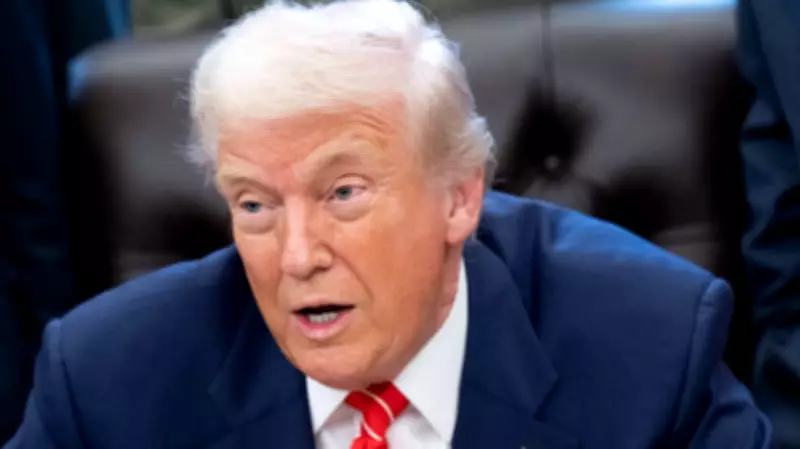
America's Winter Olympics delegation found itself embroiled in the nation's culture wars on Tuesday after President Donald Trump labeled freestyle skier Hunter Hess a "real loser" on social media. The comment, made in response to Hess expressing conflicted feelings about racing for the United States amid political developments at home, prompted teammates to rally around him and defend the freedom of expression they say defines the country.
From Private Reflection to Public Confrontation
What might have been a private athlete's reflection quickly escalated into a public confrontation between the president and U.S. Olympians. Several athletes moved to defend Hess, arguing that criticism for voicing personal doubts contradicts America's commitment to free speech. Their reaction highlighted the uneasy intersection of sport and politics at a Games where competitors are united by a flag but divided, like many Americans, by the climate beyond the arena.
Ben Ogden, who had just ended a 50-year U.S. medal drought in Olympic men's cross-country skiing with a silver in the classic sprint, called the episode disheartening. "I choose to believe that I live in a country where people can express their opinions without backlash," he said. "Certainly not... without backlash from the president. And that was really disappointing to see, but I hope it doesn't continue like that."

Athletes Speak Out on Patriotism and Conflict
U.S. Olympic cross-country skier Zak Ketterson described the backlash as "pretty childish," defending Hess's right to speak openly. "I think it's pretty childish to come at somebody for exercising their free speech, right, and considering that side of the political spectrum always champions free speech, it's a little, I think, surprising to see them so triggered," Ketterson said.
Another cross-country skier, Lauren Jortberg, noted that many athletes are grappling with personal tension between patriotism and unease over events in the United States. "It's been hard to navigate racing in a U.S. suit when you don't agree with everything going on," she said, citing what she described as "cruel and inhumane things happening in the States."
Jortberg added, "A lot of us feel similarly that we love our country so much and especially the ideals it was founded on … there's really a lot of personal and internal conflict. It's been hard to represent the States right now."
Broader Reactions and Calls for Unity
Curler Rich Ruohonen, a Minnesota lawyer and alternate on the U.S. men's team, also weighed in, condemning immigration sweeps in his home state while stressing his pride in representing the United States. "We have a constitution, and it allows us freedom of speech," said Ruohonen. "What's happening in Minnesota is wrong. There's no shades of grey. It's clear."
Ruohonen said protests in Minnesota reflected the compassion and solidarity he associates with both his home state and the Olympic movement. "We love our country. We're playing for the U.S. We're playing for each other, we're playing for our family and our friends that sacrificed so much to get here today," he said.
Utah Governor Spencer Cox, speaking at a Utah 2034 press conference, praised U.S. athletes and defended their right to speak freely while urging unity. "I love that we live in a country where people get to speak our minds," he said. "That is true of athletes, that is of governors and it is true of presidents. It is true of every individual in our country. We believe this is an opportunity to bring people together. People are going to speak their minds and I am grateful for that. That makes us better."
U.S. Olympic & Paralympic Committee chief executive Sarah Hirshland called for Hess's comments to be viewed in context, noting he had affirmed his love for his country and expressing confidence that all Team USA athletes were proud to represent the United States and focused on unity.
The White House did not respond to a request for comment on the matter.