Historic Blowout: U.S. Women's Hockey Crushes Canada in Olympic Showdown
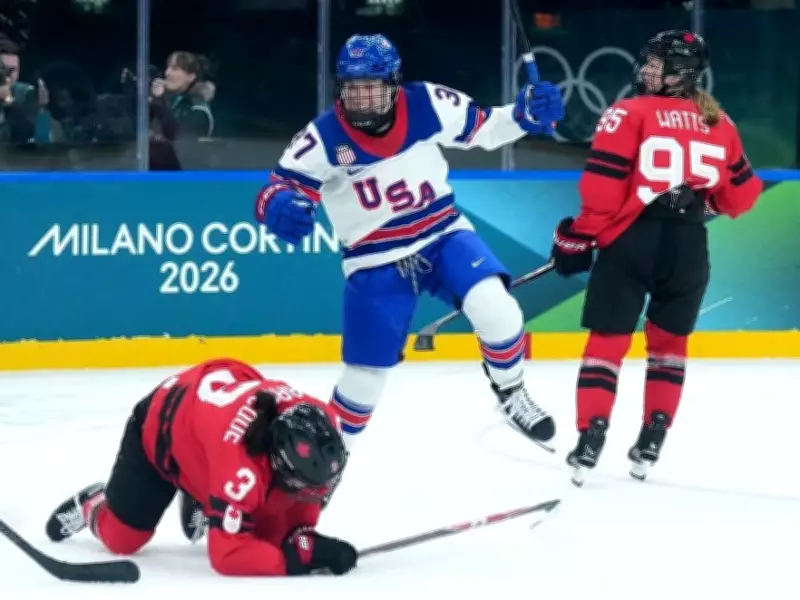
In a stunning display of dominance, the United States women's hockey team delivered Canada's worst defeat in Olympic history with a decisive 5-0 victory at the 2026 Milan Cortina Winter Games. The Tuesday night matchup at Santagiulia Ice Arena revealed a dramatic shift in the longstanding rivalry between the two hockey powerhouses.
A One-Sided Affair From Start to Finish
The game unfolded as a thoroughly one-sided contest from the opening puck drop. Team USA established control early and maintained relentless pressure throughout all three periods, leaving the Canadian squad struggling to mount any meaningful response. American players consistently outpaced their Canadian counterparts, creating scoring opportunities with apparent ease while stifling Canada's offensive efforts completely.
The final score of 5-0 represents the most lopsided loss Canada has ever suffered in Olympic competition, marking a humiliating moment for a program accustomed to championship success. The defeat becomes particularly significant given the storied history between these two nations in women's hockey, where close contests and dramatic finishes have been the norm rather than exception.

Strategic Disparities and Roster Challenges
Canadian coach Troy Ryan had acknowledged before the tournament that his team faced challenges matching the youthful speed and talent emerging in the American program. "When you look at some of the young talent that the Americans have, if that young talent were available to us, there would be some consideration. We just don't have some of that," Ryan stated candidly during pre-Olympic preparations.
This talent disparity manifested clearly during Tuesday's contest. The American strategy emphasized speed and aggressive forechecking, while Canada fielded an older lineup banking on experience and veteran leadership. The absence of injured captain Marie-Philip Poulin further weakened Canada's position, depriving the team of its most dynamic offensive threat and emotional leader.
Defining Moments of American Dominance
One particular sequence late in the first period encapsulated the evening's narrative perfectly. American forward Abbey Murphy showcased exceptional speed by blowing past two Canadian defenders as though they were stationary pylons, retrieving a loose puck in the corner before delivering a perfect backhanded pass to teammate Hannah Bilka waiting alone in front of the Canadian net. Bilka converted the opportunity easily, extending the American lead and demonstrating the skill gap between the two squads.
The victory extends Team USA's winning streak to seven consecutive games against Canada, a once-unimaginable development given the historical competitiveness of this rivalry. American players celebrated each goal with visible confidence, while Canadian players appeared increasingly rattled as the game progressed.
Broader Implications for Women's Hockey
This result signals more than just a single bad night for Canadian hockey. Quietly, Canadian officials have observed this power shift developing over several seasons, noting changes in player development pipelines and tactical approaches that have gradually tilted the balance toward American programs. The United States has invested heavily in cultivating young talent with exceptional speed and skill, while Canada has maintained greater continuity with veteran players.
The blowout raises immediate questions about Canada's ability to defend its Olympic gold medal from previous Games. With preliminary round competition continuing, the Canadian squad must regroup quickly and substantially if they hope to remain in medal contention. The psychological impact of such a comprehensive defeat could linger unless addressed promptly through coaching adjustments and renewed team confidence.
As the Milan Olympics progress, this historic result will undoubtedly influence how both teams approach their remaining games and future matchups. The once-dominant Canadian women's hockey program now faces its most significant challenge in decades, while American players have announced their arrival as the new standard-bearers in international women's hockey.