Ukrainian Skeleton Racer's Helmet Appeal Denied, Confirming Olympic Exit
Ukrainian skeleton athlete Vladyslav Heraskevych has formally lost his appeal regarding a disputed helmet, but the decision merely confirms what he already knew: his opportunity to race at the 2026 Winter Olympics is definitively over. The rejection by sports authorities ends a contentious chapter for the competitor, who had been training in Cortina d'Ampezzo, Italy, ahead of the Games.
Training Amid Uncertainty
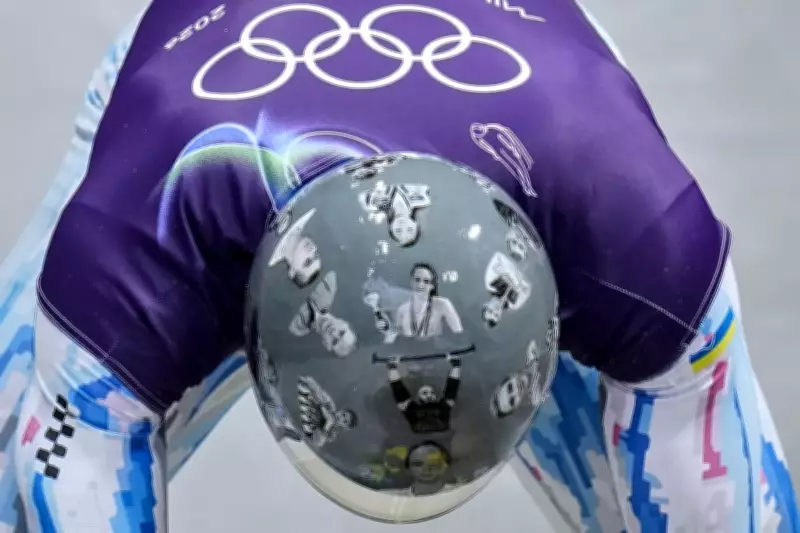
Heraskevych was photographed arriving at the finish during a men's skeleton training session on Tuesday, February 10, 2026, at the Olympic venue. Despite his participation in these preparatory runs, the athlete was operating under the cloud of the impending appeal verdict. Sources close to the situation indicate that Heraskevych had privately acknowledged the slim likelihood of a favorable outcome, effectively resigning himself to missing the competition long before the official ruling was delivered.
The Core of the Dispute
The appeal centered on a specific helmet model that Heraskevych intended to use during Olympic competition. Governing bodies deemed the equipment non-compliant with stringent safety and technical regulations established for the sport. While the exact technicalities of the violation have not been fully disclosed to the public, insiders suggest the issue involved material composition and aerodynamic specifications that failed to meet the updated standards for the 2026 Games.

This equipment dispute highlights the precise and often unforgiving nature of Olympic regulations, where even minor deviations can disqualify athletes after years of preparation. Heraskevych's team argued that the helmet posed no safety risk and offered no competitive advantage, but their pleas were ultimately overruled by the appellate committee, which upheld the original disqualification decision.
Broader Implications for Ukrainian Sports
The loss is a significant blow to Ukraine's representation at the Winter Olympics, particularly in sliding sports where the nation has historically fielded strong contenders. Heraskevych's absence from the skeleton event diminishes the team's medal prospects and reduces visibility for Ukrainian athletes on the global stage during a time of ongoing national challenges.
"It's a heartbreaking situation for any athlete who has dedicated their life to reaching this moment," commented a fellow Olympic competitor, who requested anonymity. "The rules are the rules, but it doesn't make the personal cost any less severe."
With the appeal process now concluded, Heraskevych's focus is expected to shift toward future competitions, though the missed Olympic opportunity will undoubtedly linger as a profound disappointment in his career. The incident may also prompt discussions within international sports federations about the clarity and communication of equipment regulations to prevent similar scenarios for athletes in future Games.