Ukraine Stages Protest as Paralympics Close with Russia's Return
The 2026 Winter Paralympics in Milan-Cortina came to a dramatic conclusion on Sunday, March 15, with Ukraine orchestrating another high-profile boycott during the closing ceremony. This protest was a direct response to the International Paralympic Committee's decision to allow Russian athletes to participate under a neutral flag, marking their first appearance at the Games since the onset of the Ukraine conflict.
A Ceremony Overshadowed by Political Tensions
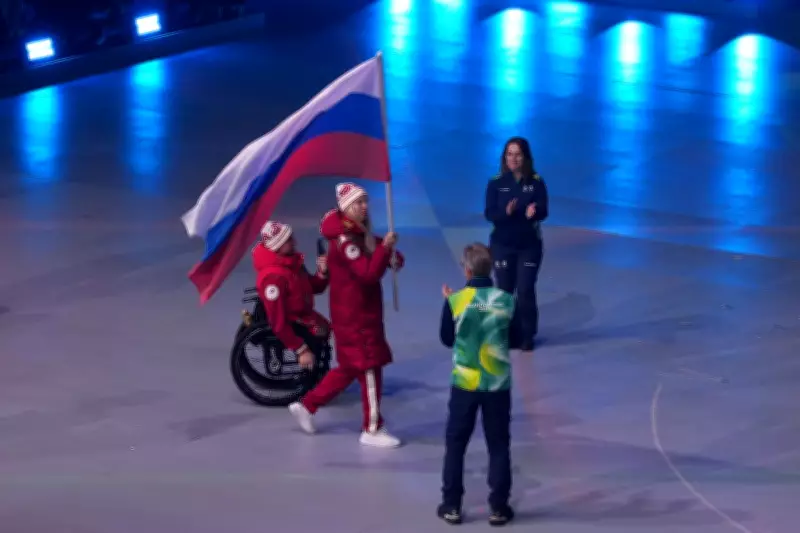
As athletes from around the world marched into the stadium in Cortina d'Ampezzo, Italy, the Russian delegation carried their national flag—a sight that drew immediate condemnation from Ukrainian officials. The Ukrainian team, which had previously boycotted events during the competition, chose to entirely skip the closing festivities, leaving their section of the stadium conspicuously empty. This move underscored the deep divisions that have permeated the sporting world since Russia's reintegration into international events.
The boycott reflects Ukraine's ongoing stance against any normalization of relations with Russia in athletic competitions, citing the ongoing war and humanitarian crises. Ukrainian Paralympic Committee representatives released a statement emphasizing that their absence was a "moral imperative" to stand in solidarity with their citizens affected by the conflict.

Russia's Controversial Comeback
Russia's return to the Paralympics was facilitated by the IPC's revised eligibility criteria, which permitted athletes to compete as neutrals after meeting specific conditions related to non-affiliation with military structures. However, this decision has been met with fierce criticism from multiple nations and human rights organizations, who argue that it whitewashes Russia's actions in Ukraine.
During the Games, Russian athletes secured several medals, but their participation was constantly under scrutiny. Protests and demonstrations occurred outside venues, with activists holding signs and chanting slogans against Russia's involvement. The IPC has defended its position, stating that sports should remain a platform for unity and dialogue, yet the visible tensions suggest otherwise.
Impact on the Paralympic Movement
The 2026 Winter Paralympics will likely be remembered more for its political undertones than athletic achievements. The Ukrainian boycott has sparked a broader debate about the role of geopolitics in sports, with many questioning whether the IPC's policies adequately address ethical concerns. This incident sets a precedent for future international events, potentially influencing how governing bodies handle similar controversies.
Looking ahead, the Paralympic movement faces significant challenges in balancing inclusivity with political realities. As the world watches, the decisions made today could reshape the landscape of adaptive sports for years to come, emphasizing the need for clear guidelines that prioritize both competition and conscience.