Controversial Goal Secures Senators' Fourth Straight Victory
The Ottawa Senators extended their winning streak to four games with a hard-fought 3-2 victory over the Pittsburgh Penguins on Monday night at PPG Paints Arena. The game's decisive moment came in the third period when veteran winger Claude Giroux scored what would become the winning goal, but not without significant controversy and debate surrounding the officials' decision-making process.
Giroux's Net-Front Presence Pays Dividends
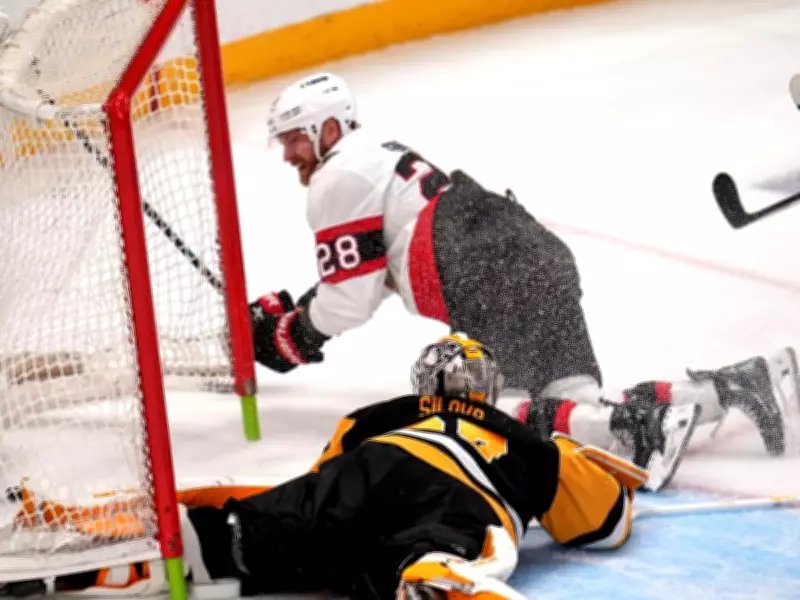
Claude Giroux, known throughout his NHL career for his willingness to drive to the net, demonstrated that characteristic determination once again. The 38-year-old forward was tripped by former Senators defenceman Erik Karlsson while heading toward the Pittsburgh net, resulting in a chaotic sequence that would ultimately decide the game's outcome.
"It was kind of a Ridly Greig goal," Giroux remarked afterward, referencing his teammate's style of play. "It's not as fun as people think, but it gets the job done, so we'll take it."

The veteran forward paid a physical price for his effort, crashing hard into the goal post after the play and then enduring a lengthy video review process before the goal was officially confirmed.
Officials' Decision-Making Process Under Scrutiny
The sequence began with officials initially ruling no goal and assessing Karlsson a penalty for tripping. After reviewing the replay, however, the officiating crew reversed their decision and awarded the goal to Ottawa. Pittsburgh coach Dan Muse immediately challenged the call, but having just examined the video evidence, the officials upheld their ruling.
Giroux explained the officials' perspective: "I saw the replay, and that play happened for us, like, four or five times this year. So, you know a little bit what to expect from the refs. I got tripped and saw the post coming at my face. I didn't know the puck went across the goal line. But it was a big goal for us."
Penguins Express Frustration and Confusion
The decision left Pittsburgh goaltender Arturs Silovs, who made 28 saves and kept his team competitive throughout the contest, visibly frustrated and confused. The netminder believed he had made the initial save on Giroux's attempt and that his own momentum had pushed the puck across the goal line.
"I don't know. For me, it doesn't make sense," Silovs stated emphatically. "He came in, I stopped the puck. He's going like 25 miles an hour going down. What do they expect me to do? Like, I don't understand how they think, whether they're protecting players or not, especially goalies. I don't understand this ruling. What's the decision there? I would understand if the goal's straight away in, then I'd agree with the call. But it's a second effort, so I don't really agree with the call."
Penguins coach Dan Muse expressed similar bewilderment, particularly regarding his decision to challenge the goal after it had already been awarded to Ottawa. "I didn't get an explanation," Muse revealed. "I saw it as a call — there was a slash (and Silovs) makes a save. He gets run into with no chance at all. There's nothing else that he can do there. I felt like that was one we could challenge. That's why I challenged. And I don't have any explanation. I didn't get anything. So nothing for you."
Critical Points in the Standings
For the Ottawa Senators, every point matters as they continue their push through the NHL season. The controversial victory provides crucial momentum and standings points, though the manner of victory will undoubtedly spark discussions among hockey analysts and fans alike. The game's outcome highlights how officiating decisions can significantly impact tight contests between competitive teams, particularly when playoff positioning hangs in the balance.
While the call to award the goal might not have been surprising upon multiple video reviews, the Penguins' frustration underscores the subjective nature of certain officiating decisions in professional hockey. The incident serves as another chapter in the ongoing dialogue about consistency and clarity in NHL rule enforcement, particularly regarding goaltender interference and scoring plays that involve contact around the crease.