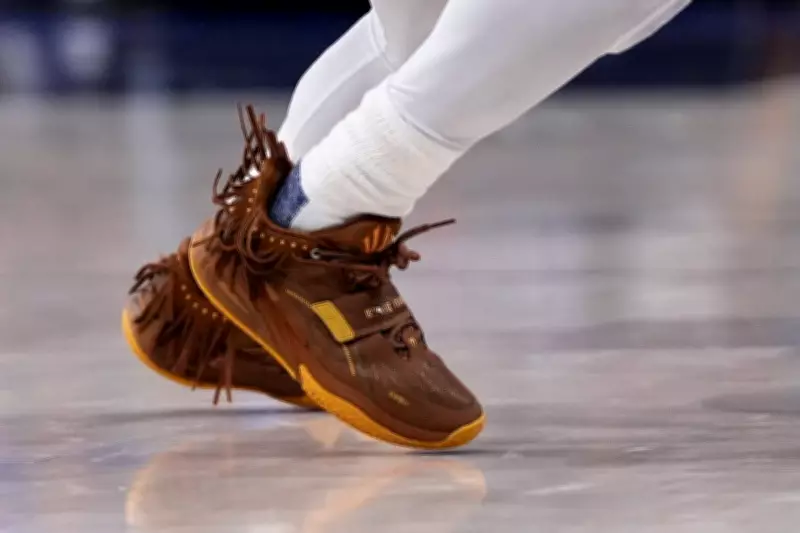
The Surprising Science Behind Basketball Shoes Squeaking on Hardwood Floors
In the high-stakes world of professional basketball, every detail matters—from player strategy to equipment performance. One often-overlooked aspect is the distinctive squeak of shoes on hardwood floors, a sound that has become synonymous with the sport's intensity. This phenomenon is not merely a byproduct of friction but a complex interplay of physics, material science, and athletic design.
Understanding the Physics of the Squeak
The squeak occurs when rubber soles of basketball shoes interact with the polished surface of hardwood courts. This sound is generated through a process known as stick-slip friction. As a player moves, the sole briefly adheres to the floor before sliding, creating vibrations that produce the audible squeak. Factors such as court finish, shoe tread pattern, and player movement speed all influence the frequency and volume of this sound.
Research indicates that the ideal squeak can enhance player performance by providing auditory feedback on traction and movement efficiency. For instance, during rapid cuts or pivots, a clear squeak signals optimal grip, allowing athletes like Kyrie Irving to execute precise maneuvers without slipping. This feedback loop is crucial in fast-paced games where split-second decisions determine outcomes.

Material Innovations in Shoe Design
Modern basketball shoes are engineered with advanced rubber compounds and tread designs to maximize both grip and sound. Manufacturers balance durability, comfort, and acoustic properties to meet the demands of professional play. The hardness of the rubber, the depth of the grooves, and the overall shoe construction all contribute to the squeak's characteristics.
Interestingly, the squeak is not just a functional element but also a psychological one. It adds to the arena's atmosphere, heightening excitement for fans and players alike. Studies suggest that consistent auditory cues, like shoe squeaks, can improve focus and reaction times during gameplay.
Implications for Sports Science and Training
The complexity behind this simple sound underscores broader trends in sports technology. As analytics and biomechanics evolve, understanding such nuances can lead to innovations in athletic gear and training methods. For example, coaches might use sound analysis to assess player movement patterns or to design drills that optimize traction and reduce injury risks.
In summary, the squeak of basketball shoes on hardwood is a testament to the intricate science embedded in sports. It highlights how even minor details can have significant impacts on performance, safety, and the overall experience of the game. As technology advances, we may see further refinements that make this iconic sound even more integral to basketball's future.