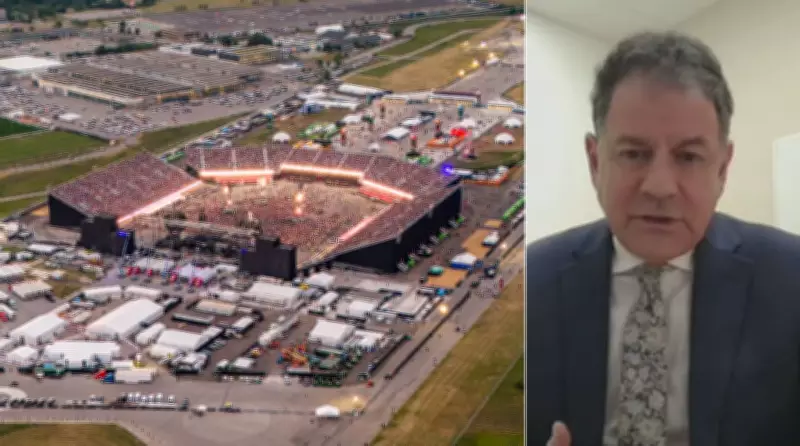
As Rogers Stadium prepares to enter its second season of operation in Toronto, the facility's substantial $388 million economic impact figures are generating significant discussion among city officials and stakeholders. However, these impressive numbers are meeting with lingering concerns from Toronto City Councillor James Pasternak, who has raised important questions about the stadium's broader community benefits and long-term implications for the city.
The Economic Numbers Behind Rogers Stadium
The $388 million economic impact represents a comprehensive calculation of the stadium's contribution to Toronto's economy through various channels. This includes direct spending on events, tourism revenue generated by visitors attending games and concerts, employment opportunities created both during construction and ongoing operations, and the multiplier effect as money circulates through local businesses. The stadium has become a significant entertainment hub in its first year, hosting major sporting events, concerts, and community gatherings that have drawn thousands of visitors to the area.
Councillor Pasternak's Persistent Concerns
Despite these positive economic indicators, Councillor James Pasternak has identified several areas requiring further attention. "While the economic numbers are certainly impressive," Pasternak stated, "we need to ensure that this development delivers meaningful benefits to all Toronto residents, not just during major events but throughout the year." His concerns focus on three primary areas: transportation infrastructure improvements to handle increased traffic, affordable access to events for local residents, and the stadium's environmental footprint including energy consumption and waste management practices.

Pasternak has particularly emphasized the need for better integration with public transit systems to reduce congestion in surrounding neighborhoods. "The economic impact numbers don't fully account for the strain on local infrastructure," he noted. "We need to see more investment in transit solutions that benefit both stadium visitors and year-round residents."
Community Benefits and Long-Term Planning
The councillor has also questioned whether the stadium's community benefits agreement is delivering on its promises. These agreements typically include commitments to local hiring, support for neighborhood businesses, and community programming. "The first season showed us what's possible," Pasternak explained, "but we need to ensure these benefits are sustainable and equitable over the long term."
Looking ahead to the stadium's second season, Pasternak has called for more transparent reporting on how the economic benefits are distributed across different sectors of Toronto's economy. He has suggested establishing clearer metrics for measuring community impact beyond just financial numbers, including social and environmental indicators that reflect the stadium's integration with the surrounding community.
As Toronto continues to develop its sports and entertainment infrastructure, the discussion around Rogers Stadium serves as an important case study in balancing economic development with community needs. The $388 million figure represents a significant achievement, but as Councillor Pasternak's concerns highlight, the true measure of success may lie in how these economic benefits translate into improved quality of life for all Toronto residents.