Rogers Stadium Touts $388 Million Economic Impact as Questions Linger Ahead of 2026 Season
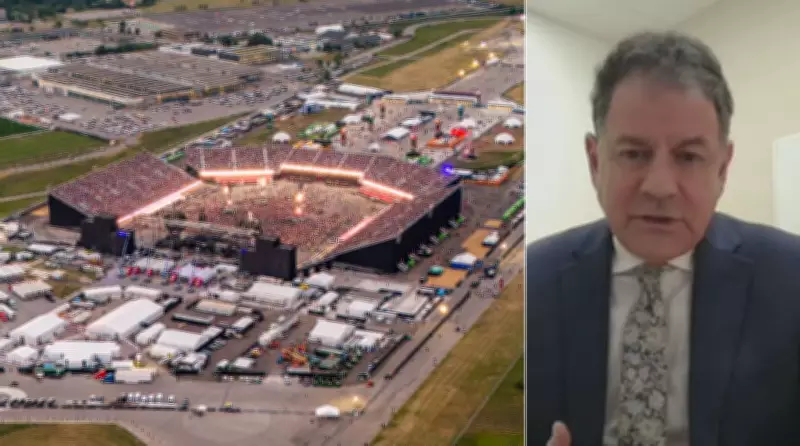
As Rogers Stadium prepares for its highly anticipated second season in 2026, Toronto City Councillor James Pasternak has publicly discussed the facility's substantial economic contributions, while also acknowledging several unresolved issues that stakeholders are closely monitoring. The stadium, a cornerstone of Toronto's sports and entertainment landscape, is reported to have generated an impressive $388 million in economic impact during its inaugural year, according to recent assessments.
Significant Financial Contributions to Local Economy
The $388 million figure encompasses a wide range of economic activities directly and indirectly linked to the stadium's operations. This includes revenue from ticket sales, concessions, merchandise, and parking, as well as broader effects on local businesses such as hotels, restaurants, and retail establishments in the surrounding area. Councillor Pasternak emphasized that this economic boost has been a vital driver for job creation and urban development in Toronto, supporting thousands of positions across various sectors.
"The stadium has not only provided world-class entertainment but has also acted as a catalyst for economic growth in our city," Pasternak stated. "We are seeing tangible benefits in terms of increased tourism, enhanced local commerce, and improved infrastructure that benefits all residents."

Lingering Concerns and Unresolved Issues
Despite the positive economic reports, several questions remain unanswered as the 2026 season approaches. Key concerns highlighted by Councillor Pasternak include:
- Traffic and Transportation Management: Ongoing challenges with congestion on game days and the need for more efficient public transit options to handle large crowds.
- Community Impact and Noise Pollution: Addressing complaints from nearby residents regarding noise levels and disruptions to daily life during events.
- Sustainability and Environmental Practices: Ensuring the stadium adheres to green initiatives and reduces its carbon footprint through energy-efficient operations.
- Long-Term Financial Viability: Scrutiny over the stadium's funding model and its ability to sustain economic benefits without relying heavily on public subsidies.
Pasternak noted that these issues are being actively discussed with stadium management, city planners, and community groups to find balanced solutions that maximize benefits while minimizing negative impacts.
Looking Ahead to the 2026 Season
With the 2026 season on the horizon, stakeholders are optimistic about building on the stadium's initial success. Plans are underway to host a diverse lineup of events, including major sports matches, concerts, and cultural festivals, which are expected to further amplify economic gains. However, Councillor Pasternak stressed the importance of transparency and continuous improvement.
"We must learn from the experiences of the first season and address any shortcomings proactively," he said. "Our goal is to ensure that Rogers Stadium remains a source of pride and prosperity for Toronto, contributing to the city's vibrant economy while being a good neighbor to all communities involved."
The upcoming season will serve as a critical test for the stadium's ability to balance economic achievements with community needs, setting a precedent for future large-scale infrastructure projects in urban centers across Canada.