Veteran Referee Sounds Alarm on Deteriorating Conduct in Sports
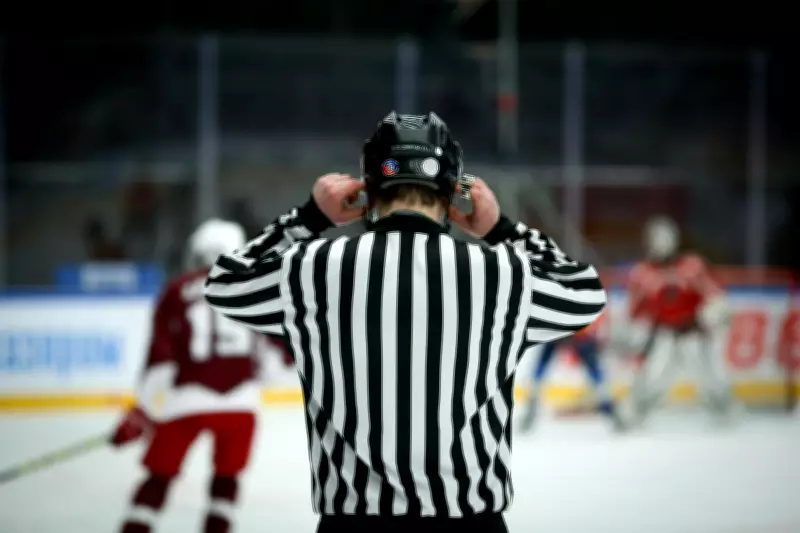
Ed McHugh, a seasoned referee with decades of experience, is speaking out against a troubling trend: the escalating bad behavior from coaches and spectators directed at sports officials. In a candid discussion, McHugh expressed deep concern over how disrespect and verbal abuse have become increasingly common, creating a hostile environment that undermines the spirit of competition.
'People Feel Like Now They Can Say Almost Anything'
McHugh emphasized that the problem has grown significantly in recent years, with many individuals feeling emboldened to hurl insults and criticisms without consequence. "There's a sense that boundaries have eroded," he noted, pointing to incidents where officials face aggressive confrontations both on and off the field. This behavior, he argues, not only demoralizes referees but also sets a poor example for young athletes who look to adults for guidance.
The veteran official recounted numerous instances where coaches and parents have crossed lines, from shouting obscenities to making personal attacks. Such actions, McHugh warns, contribute to a culture of toxicity that can drive away qualified officials, exacerbating shortages in many sports leagues. He stressed that without respect for those enforcing the rules, the integrity of games is compromised, potentially leading to unfair outcomes and diminished enjoyment for all participants.

Impact on Youth Sports and Community Well-being
McHugh highlighted that the issue is particularly acute in youth sports, where bad behavior from adults can have lasting effects on children. "When kids see coaches or parents berating officials, they learn that it's acceptable to disrespect authority," he explained. This, in turn, can foster a win-at-all-costs mentality that prioritizes results over sportsmanship and personal development.
To address the problem, McHugh advocates for stronger enforcement of codes of conduct and better education for coaches and spectators on the role of officials. He calls on sports organizations to implement clear penalties for abusive behavior, including suspensions or bans, to deter future incidents. Additionally, he suggests that fostering a more supportive community around officiating could help recruit and retain referees, ensuring that sports remain fair and enjoyable for everyone involved.
In conclusion, Ed McHugh's insights shed light on a critical issue facing sports today. As bad behavior becomes more normalized, his message serves as a reminder of the importance of respect and civility in preserving the positive aspects of athletic competition. Without concerted efforts to curb abuse, the future of sports officiating—and the games themselves—may be at risk.