Canadian Olympic Committee Confirms Poulin Was Blocked from Speaking French
The Canadian Olympic Committee (COC) has officially confirmed that hockey star Marie-Philip Poulin was blocked from speaking French during a media event at the 2026 Winter Olympics in Milan. This incident has ignited a significant debate over language rights and representation for athletes in international sports competitions.
Details of the Incident
According to reports, Poulin, a key player for Team Canada's women's hockey team, attempted to address the press in French following a game, but was reportedly instructed to use English only. The COC stated that this was due to logistical constraints and time limitations during the busy Olympic schedule, but acknowledged the importance of linguistic diversity.
Poulin, who hails from Quebec, is a bilingual athlete and has often expressed pride in her Francophone heritage. The blocking of her French speech has raised concerns about the support for Canada's official languages on the global stage, particularly in high-profile events like the Olympics.

Reactions and Implications
The confirmation from the COC has prompted swift reactions from various stakeholders. Language advocacy groups have criticized the move as a violation of Poulin's rights and a setback for multiculturalism in sports. Fans and fellow athletes have also voiced support for Poulin, emphasizing the need for inclusive practices that respect athletes' cultural backgrounds.
This incident comes amid broader discussions about language policies in international sports organizations. It highlights the challenges faced by bilingual or multilingual athletes in navigating media interactions and the potential for such issues to affect team morale and public perception.
Broader Context
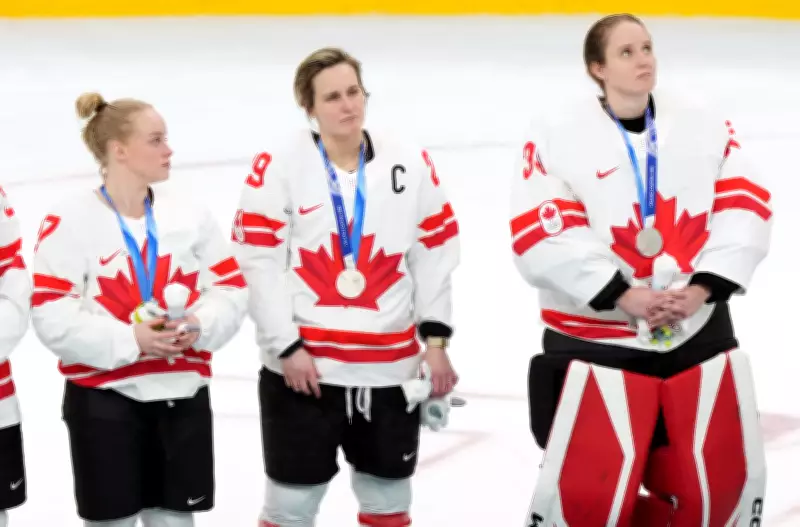
The 2026 Winter Olympics saw Canada's women's hockey team secure a silver medal after a heartbreaking overtime loss to the United States. Poulin, along with teammates Emma Maltais and goalie Ann-Renee Desbiens, received their medals in a ceremony that underscored the team's achievements despite the controversy.
This event adds to ongoing conversations about how sports bodies handle diversity and inclusion. The COC has indicated it will review its protocols to ensure better support for athletes' linguistic preferences in future events, aiming to prevent similar occurrences.
In summary, the confirmation that Marie-Philip Poulin was blocked from speaking French at the Olympics has sparked important debates on language rights in sports, with implications for policy changes and athlete advocacy moving forward.