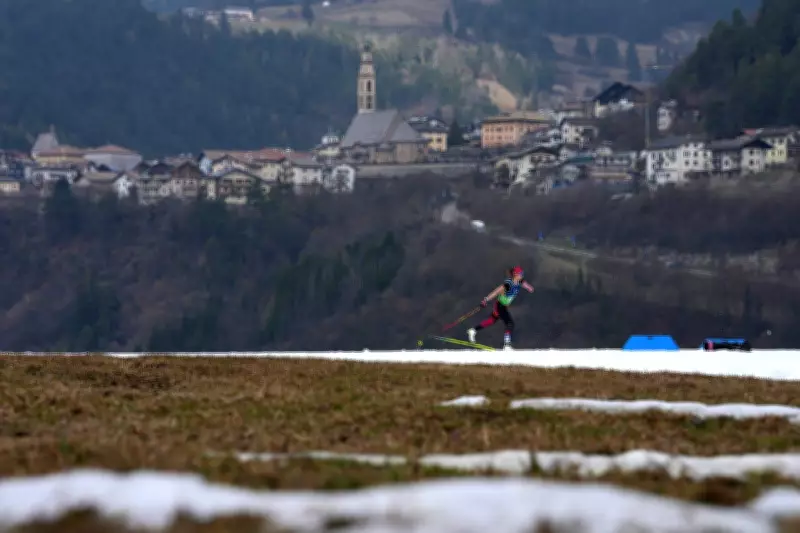
Paralympians Face Unseasonably Warm Conditions at 2026 Winter Games
The 2026 Winter Paralympics in Tesero, Italy, have presented athletes with an unexpected challenge: competing in shorts and T-shirts due to unseasonably warm weather. This unusual sight has ignited a broader conversation about the timing of the Games and the increasing impact of climate change on winter sports.
Unusual Scenes on the Snow
During the cross-country skiing women's 10km interval start classic standing final, Canadian athlete Brittany Hudak and others were seen competing in minimal attire, a stark contrast to the typical bundled-up winter sports imagery. The warm temperatures, which soared above seasonal averages, forced athletes to adapt quickly to avoid overheating, raising concerns about performance and safety.
This phenomenon is not isolated to this event; similar conditions have been reported in other winter competitions in recent years, highlighting a growing trend. Experts point to shifting climate patterns as a key factor, with warmer winters becoming more frequent in traditional host regions.

Debate Over Scheduling and Climate Adaptation
The sight of Paralympians skiing in summer-like gear has prompted athletes, organizers, and fans to question whether the Games should be moved to earlier dates to ensure colder, more reliable snow conditions. Proponents argue that earlier scheduling could mitigate weather-related disruptions and uphold the integrity of winter sports.
"When you see athletes in shorts, it makes you wonder if we're holding these events at the right time," said one sports analyst. "Climate change is forcing us to rethink how we plan major winter competitions."
Potential solutions being discussed include:
- Adjusting the Paralympic calendar to earlier winter months
- Investing in advanced snowmaking and cooling technologies
- Selecting host locations with more predictable cold climates
- Incorporating climate risk assessments into bidding processes
Broader Implications for Winter Sports
This issue extends beyond the Paralympics, affecting all winter sports globally. Warmer temperatures threaten snow reliability, athlete safety, and the economic viability of winter tourism and events. The International Paralympic Committee and other governing bodies are under pressure to develop adaptive strategies to preserve these sports in a changing climate.
As the 2026 Games continue, the focus remains on how athletes perform under these challenging conditions and what lessons can be learned for future events. The debate over timing is likely to intensify, with calls for proactive measures to safeguard the future of winter Paralympic sports.