Pakistan Announces Boycott of T20 World Cup Clash with India
In a significant development that has sent shockwaves through the international cricket community, the Pakistan cricket team has declared its intention to boycott its upcoming T20 World Cup match against arch-rival India. This decision, reported by SportsNewsPakistan, underscores the deep-seated political tensions that continue to influence sporting events between the two nations.
Escalating Diplomatic Strains Impact Sporting Arena
The boycott announcement comes amid a backdrop of heightened diplomatic friction, with longstanding geopolitical disputes spilling over into the realm of sports. Cricket matches between Pakistan and India are traditionally among the most watched sporting events globally, often billed as a "clash of titans." However, the current political climate has forced a reevaluation of such high-profile encounters.
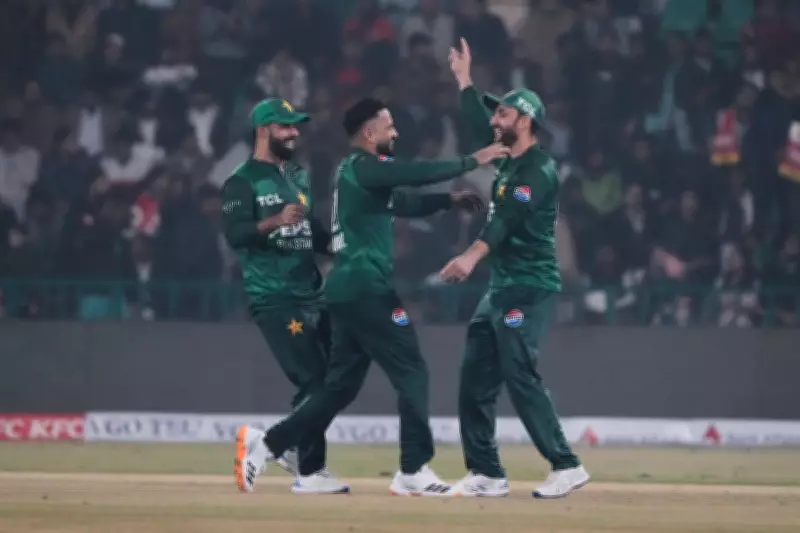
This move follows Pakistan's recent T20 series against Australia, where players like Mohammad Nawaz showcased strong performances. Nawaz, celebrating a wicket in Lahore just days ago, exemplified the team's competitive spirit, making the boycott decision all the more poignant for fans and athletes alike.

Implications for the T20 World Cup and International Cricket
The boycott raises immediate questions about the scheduling and integrity of the T20 World Cup. Tournament organizers now face the complex task of managing this unprecedented situation, which could involve:
- Rescheduling matches or declaring forfeits.
- Addressing potential financial repercussions for broadcasters and sponsors.
- Navigating the broader political ramifications within international sports governance.
Historically, cricket has served as a rare bridge between Pakistan and India, offering moments of unity amidst division. This boycott threatens to sever that connection, highlighting how external pressures can disrupt even the most cherished sporting traditions.
Reactions and Future Prospects
While official statements from cricket boards are pending, the decision has already sparked intense debate among analysts, former players, and supporters. Many express concern that such actions could set a dangerous precedent, where political disagreements increasingly dictate athletic participation.
Looking ahead, the focus will be on whether diplomatic efforts can resolve tensions in time to salvage future competitions. For now, the T20 World Cup must proceed without one of its most anticipated fixtures, leaving a void that underscores the fragile intersection of sports and politics.