Oilers' Playoff Path Shrouded in Mystery as Season Nears Conclusion
The Edmonton Oilers have reached a critical juncture in their NHL campaign, where definitive assessments about their capabilities have become increasingly futile. With merely five weeks remaining in the regular season, this team continues to defy categorization, oscillating between moments of brilliance and periods of profound struggle.
Inconsistent Performance Defines Oilers' Campaign
Through 67 games of the 2025-2026 season, the Oilers have demonstrated remarkable volatility in their performance. They currently cling to a playoff position within what many analysts consider the league's weakest division, ranking 19th overall in the standings. This positioning reflects their erratic nature—capable of delivering scrappy, responsible hockey against formidable opponents like Vegas and Colorado, yet equally prone to becoming pushovers, as evidenced in their lopsided defeat against Dallas.
Sometimes, within a single contest, both versions of this team manifest simultaneously, as witnessed during their recent 3-2 overtime loss in St. Louis. This lack of consistent identity makes forecasting their postseason trajectory exceptionally challenging. Will they miss the playoffs entirely? Could they emerge as a wild-card team destined for a first-round exit against Colorado? Or might they navigate through the Pacific Division to secure a third consecutive Western Conference final appearance?

The possibilities remain numerous and equally plausible. This team exhibits a bipolar character from top to bottom, leaving fans and analysts alike uncertain about what the final stretch will reveal. The only certainty is that the journey promises to be tumultuous and unpredictable.
Growing Concerns Over Player Safety and Superstar Targeting
Beyond on-ice performance, significant concerns have emerged regarding player safety, particularly for elite talents like Connor McDavid. These worries intensified following the NHL Department of Player Safety's controversial handling of a recent incident involving Anaheim Ducks defenseman Radko Gudas.
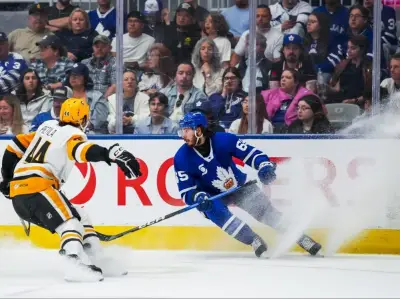
Gudas, a player with an extensive disciplinary history including six previous suspensions totaling 26 games, delivered a dangerous hit that resulted in a season-ending knee injury for Toronto Maple Leafs superstar Auston Matthews. The league's response—a mere five-game suspension—has been widely criticized as insufficient and potentially dangerous.
This decision raises troubling questions about the NHL's commitment to protecting its most skilled players. When a repeat offender receives what many consider a wrist slap for an action that eliminates a top talent from competition, it creates a perception that the penalty for targeting superstars remains disproportionately lenient. For McDavid and the Oilers, this development represents a legitimate concern as they approach the physical intensity of playoff hockey.
Goaltending Challenges Reflect Deeper Systemic Issues
While goaltending has faced scrutiny throughout the season, recent performances suggest the problems extend far beyond the crease. Even if Connor Ingram had started in net during the Oilers' 7-2 loss to Dallas, the outcome likely would have remained unfavorable. Perhaps the margin would have been slightly narrower, but the fundamental issues—defensive breakdowns, inconsistent effort, and systemic vulnerabilities—would have persisted.
When a team's struggles transcend goaltending performance, it indicates deeper structural concerns that must be addressed before postseason aspirations can be realistically pursued. As the regular season concludes, the Oilers must resolve these underlying problems to harness their undeniable potential and avoid another disappointing playoff exit.