Edmonton Oilers' Home-Ice Woes: Analyzing the Sudden Struggle at Rogers Place
The Edmonton Oilers are facing a perplexing and concerning trend as they navigate the latter half of the NHL season. Since the calendar turned to 2026, the team has developed what appears to be an unexpected aversion to playing on home ice at Rogers Place. This shift in performance has left fans and analysts alike questioning the underlying causes and potential solutions for a squad with Stanley Cup aspirations.
A Troubling Home Record Emerges
Statistical analysis reveals a stark reality for the Oilers: they have lost six of their eight home games since New Year's Eve marked the conclusion of the first half of the season. This represents a significant departure from their earlier form and raises immediate red flags about their ability to capitalize on home-ice advantage. The goal differential in those losses stands at eighteen to ten, highlighting defensive vulnerabilities and offensive inefficiencies that have plagued the team during this stretch.
While half of these defeats were decided by a single goal, suggesting competitive contests, the other half were blowouts lost by three or four points in games that were never truly close. This inconsistency points to deeper systemic issues that extend beyond mere bad luck or temporary slumps. The team's recent 5-0 shutout victory over the St. Louis Blues, which followed a 6-0 win on the west coast, now appears increasingly anomalous given the subsequent struggles.

Examining the Schedule and Roster Dynamics
The current home stand represents the longest consecutive stretch at Rogers Place the franchise has experienced since the 1980s, comprising eight games leading into the Olympic break in February. This extended period in Edmonton was initially viewed as an opportunity to build momentum, but it has instead exposed weaknesses. Notably, four of these matchups are against opponents playing the second game of back-to-back nights, having faced the Calgary Flames the previous evening.
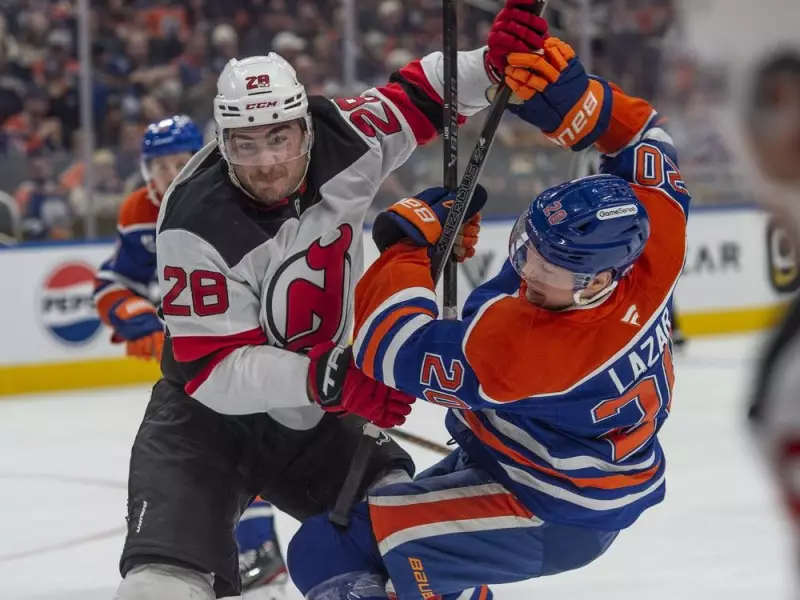
So far, the Oilers have failed to capitalize on these scheduling advantages, dropping games to the New Jersey Devils and Pittsburgh Penguins. With upcoming contests against the Washington Capitals and Anaheim Ducks, the pressure is mounting to reverse this trend before the Olympic hiatus. The timing is critical, as key players may return from international competition with emotional and physical fatigue that could further impact performance.
Roster Questions and Performance Accountability
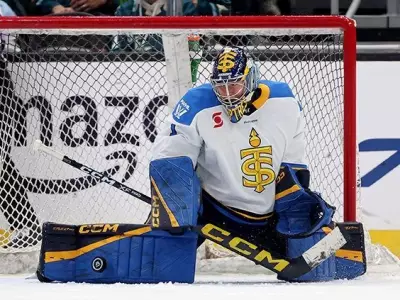
Beyond the home-ice struggles, questions are emerging about roster composition and player accountability. The recent goaltender trade addressed one glaring issue, but other problems persist that seem obvious to observers outside the organization. There is growing sentiment that certain players, such as Andrew Mangiapane and Trent Frederic, may not be carrying their weight, leading to calls for management to make difficult decisions.
The suggestion is clear: the Oilers must evaluate their roster ruthlessly, cutting losses where necessary to salvage cap space and create opportunities for more committed contributors. This approach is seen as essential for competing against Western Conference powerhouses like the Colorado Avalanche and making a third consecutive Stanley Cup Finals appearance. The team's ability to address these home-ice woes and roster inefficiencies will likely determine their playoff trajectory and championship viability.