NHL Player Safety System Faces Calls for Reform Amid Suspension Controversies
The NHL's department of player safety is under intense scrutiny as players, analysts, and fans question the consistency and effectiveness of its disciplinary measures. Recent incidents, including a high-profile suspension, have reignited debates over whether the current system adequately protects players and maintains fairness in the league.
Historical Context and Current Concerns
Reflecting on past disciplinary actions provides insight into ongoing issues. Legendary goaltender Ron Hextall, a Vezina and Conn Smythe winner, faced multiple suspensions during his career, most notably a 12-game ban in the 1989 Stanley Cup playoffs for attacking Montreal's Chris Chelios. At the time, NHL disciplinarian Brian O'Neill condemned Hextall's actions as showing "complete disrespect for the league and the game." This historical example underscores how player safety and discipline have long been contentious topics in hockey.
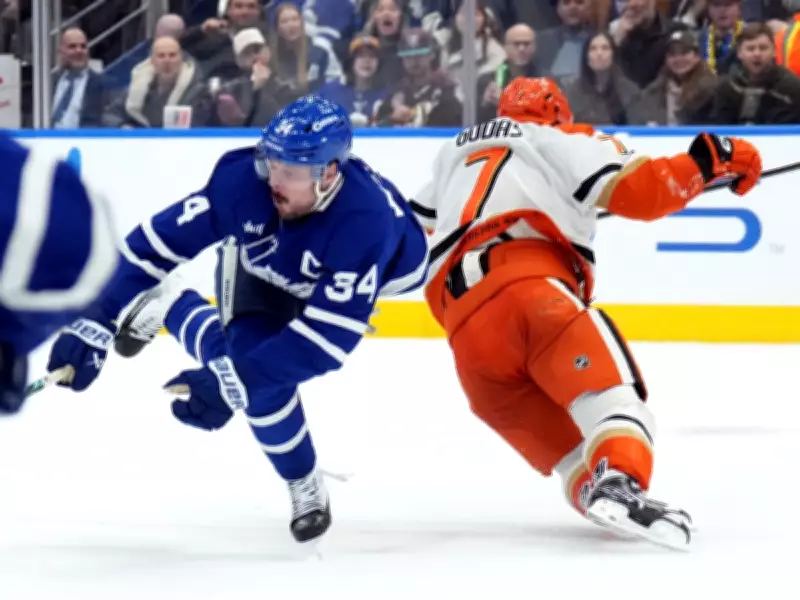
Fast forward to the present, and similar controversies persist. Last week, Anaheim Ducks defenseman Radko Gudas received a five-game suspension for a hit that ended Toronto Maple Leafs star Auston Matthews' season. This penalty has sparked widespread discussion: is five games sufficient for such a severe outcome, or does it highlight systemic flaws in how suspensions are determined?

Player Perspectives and Systemic Issues
Many NHL players are reluctant to publicly criticize the department of player safety, fearing repercussions or biased treatment. However, off-the-record conversations reveal a common belief that the role of league disciplinarian is thankless and often criticized from all sides. Despite this, there is a growing sentiment that suspension decisions, particularly in high-stakes moments, should be more stringent and transparent.
Edmonton Oilers captain Connor McDavid has been vocal about the need for a review of the system, advocating for clearer guidelines and more consistent enforcement. His willingness to speak out highlights a broader frustration among players regarding the opacity of disciplinary processes. Currently, the lack of standardized rules means suspensions can feel arbitrary, with players unsure of the consequences for specific infractions.
Calls for Standardization and Reform
The NHL Players' Association (NHLPA) has successfully appealed suspensions in recent years, potentially making the department of player safety more cautious in issuing longer bans. This has led to questions about whether George Parros, who heads the department, and his team are becoming "gun-shy" in their decision-making.
To address these concerns, experts suggest implementing clearer standards, such as predefined penalties for certain actions (e.g., "two games for this type of hit"). Carolina Hurricanes owner Tom Dundon has proposed stricter measures for head shots, arguing that players who cause concussions through illegal plays should face suspensions matching the injured player's recovery time. This idea aligns with trends in other sports, where independent panels set disciplinary guidelines to ensure impartiality.
Looking Ahead: Potential Solutions
Reforming the NHL's player safety system could involve creating an arm's-length committee of experienced hockey professionals to establish standardized disciplinary rules. This panel would operate independently, similar to systems in other sports, to handle supplementary discipline fairly and consistently. By reviewing and updating its processes, the NHL could address widespread dissatisfaction and improve player safety across the league.
As the debate continues, it is clear that the current system has room for improvement. With high-profile incidents like Gudas' suspension fueling calls for change, the NHL may need to act swiftly to restore confidence in its ability to protect players and uphold the integrity of the game.