Milano Cortina 2026: A Visual and Emotional Spectacle
The Winter Olympics in Milano Cortina 2026 provided a stunning backdrop for moments of triumph and heartbreak, unfolding from start to finish in an unparalleled setting that captivated audiences worldwide. The organization was nearly flawless, with journalists on the ground reporting no significant complaints—a rare feat given the profession's tendency toward criticism.
Breathtaking Visuals and Athletic Excellence
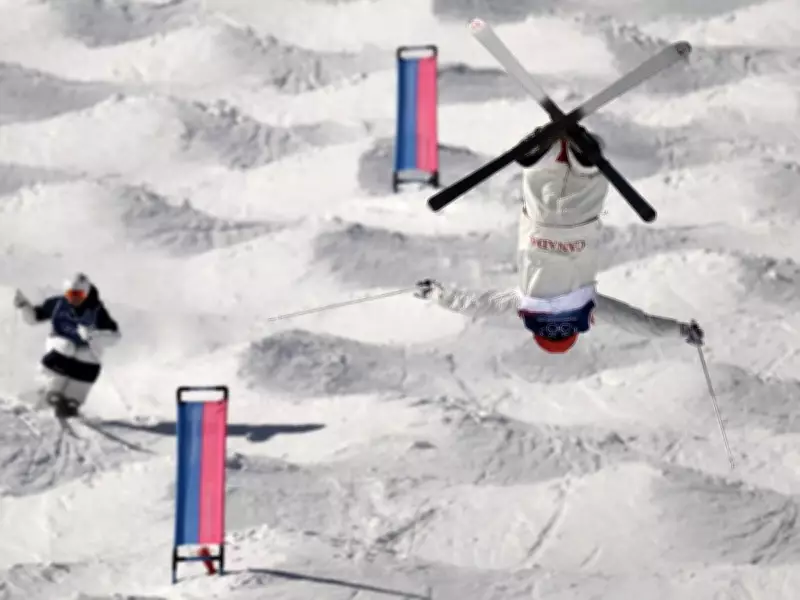
Visually, the games were a feast for the eyes. Whether viewed on large screens under bright sunshine during the first week or through heavy snowfall in the second week, the scenery was magnificent. Events like biathlon, cross-country skiing, downhill racing, snowboarding, and the exciting new sport of ski mountaineering were all breathtaking to watch. Long-track speedskating added to the spectacle, showcasing athletic prowess against beautiful Italian landscapes.
Canada's Olympic Performance and Underlying Issues
For Canadian viewers, the games brought mixed emotions. Canada waited eight full days before winning its first gold medal, ultimately finishing with five gold medals and twenty-one total—numbers that fell short of recent Olympic achievements. The traumatic silver medals for both the men's and women's hockey teams added to the disappointment, leading some to question whether there's a crisis in Canadian sport.

The real problem isn't with the athletes—it's funding. There's a direct correlation between financial investment and Olympic results across nations and sports. When top Canadian athletes discuss giving up their sport because they're paying for their own flights to international competitions, there's clearly a systemic issue that needs addressing.
Media Coverage and Sponsorship Challenges
While government funding often receives blame, another critical factor is media coverage. Canada's major sports networks—TSN and Sportsnet—largely ignore Olympic sports for most of the four-year cycle between games, focusing instead on hockey, curling, and even poker or American sports commentary. This lack of exposure directly impacts sponsorship opportunities, which in turn affects funding for athletes.
Only the CBC provides consistent coverage of sports like moguls, ski mountaineering, and speedskating. Without increased attention from other networks, Canada can expect similar results when the Winter Olympics move to the French Alps in 2030.
Heartbreak on the Ice
The most emotional moment came from the women's hockey team, particularly captain Marie-Philip Poulin weeping after giving her all in a heartbreaking overtime loss. Unlike their male counterparts—professional millionaires who quickly return to NHL salaries—the women's team operates on a budget where Olympic gold carries profound financial and emotional significance.
Meanwhile, the men's hockey disappointment felt less relatable, with players returning to six-figure NHL paychecks regardless of Olympic outcome.
Looking Ahead to 2030
As attention turns to future games, suggestions emerge about recruiting dual citizens like Canadiens stars Lane Hutson and Cole Caufield to play for Canada in 2030. Coaching changes are also proposed, with Martin St. Louis suggested as a potential replacement for current coaches who underutilized talent like Nick Suzuki during the tournament.
The article concludes with acknowledgments of heroes—athletes who excelled despite challenges—and criticism of those deemed responsible for shortcomings, from network executives to certain coaches and officials.
Ultimately, Milano Cortina 2026 demonstrated that while the Winter Olympics can provide unforgettable moments of beauty and competition, systemic issues in funding and coverage continue to impact national performances and athlete experiences.