The last two years have delivered a series of devastating blows to Connor McDavid, pushing the boundaries of athletic heartbreak. For the Edmonton Oilers captain, repeatedly coming within touching distance of hockey's ultimate prizes only to have them snatched away has been a uniquely cruel experience.
A Relentless String of Near Misses
It is difficult to conceive of a player who has absorbed more emotional trauma in such a short span. McDavid invested every ounce of his being into the 2024 Stanley Cup playoffs, only to fall in the final by a single, agonizing goal. Undeterred, he regrouped and poured his soul into the 2025 postseason campaign, reaching the championship series once more, yet again tasting bitter defeat.
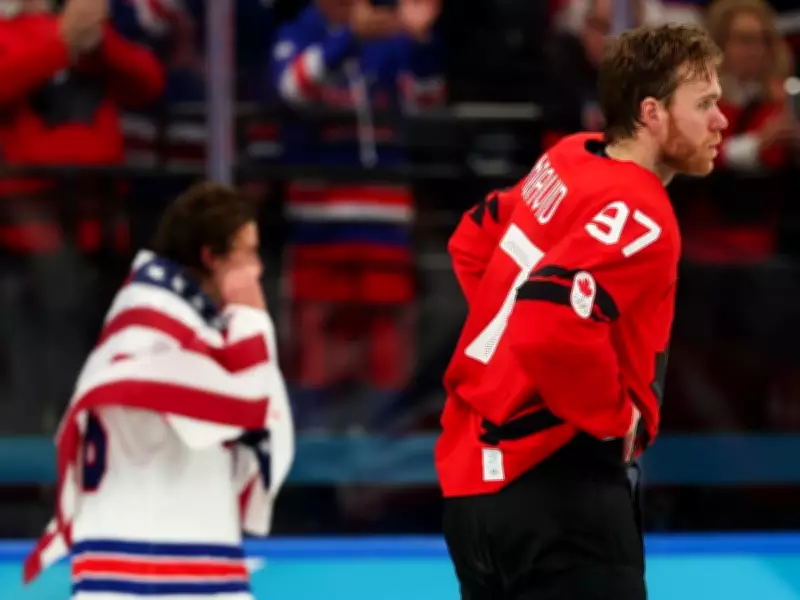
The pinnacle of frustration arrived at the 2026 Winter Olympic Games in Milan. After waiting his entire career for a shot at Olympic gold, McDavid and Team Canada battled through to the final, where they suffered a 2-1 overtime loss to the United States. In a painful twist of fate, all three of these monumental losses came at the hands of his fiercest rival, Matthew Tkachuk.

The Psychological Toll of Repeated Defeat
This sequence represents brutal psychological warfare. To approach the summit of a lifelong ambition three consecutive times and be denied on each occasion is a test that would fracture the resolve of many elite competitors. The experience draws parallels to the infamous 1990s Buffalo Bills, whose collective anguish seems distilled into the singular torment of McDavid.
Fortunately for the Oilers and their fans, McDavid's mental resilience is reported to match his extraordinary on-ice talent. His focus and inner strength are considered paramount assets, which he will need in abundance to process these setbacks and recommit fully to the arduous journey ahead.
The Elusive Quest for a Defining Championship
With the Oilers' current form raising questions about their championship pedigree, the Olympics appeared to be McDavid's clearest path to securing one of hockey's holy grails. While events like the 4 Nations Face-Off provide compelling competition, they lack the historic weight and prestige of a Stanley Cup or Olympic gold medal.
This leaves McDavid, despite a career overflowing with individual accolades and record-breaking performances, bearing the burdensome label of the best player never to win a major championship. For an athlete determined to cement his legacy among the sport's immortals, this absence remains a glaring omission, as conspicuous as a missing front tooth.
Historical Precedents and Future Hope
History offers a beacon of hope. NFL legend John Elway faced a similar narrative, appearing destined for the "elite talent, no rings" wing of the sports hall of fame after three Super Bowl losses in four years. Yet, he authored a storybook ending, winning back-to-back championships at age 37 to secure his legacy.
McDavid, at just 29 years old, has time on his side. If Sidney Crosby's longevity is any indicator, performing at an elite level into his late thirties, McDavid may have nine or more prime seasons remaining. Furthermore, his impending unrestricted free agency in two seasons provides a potential avenue for change should the Oilers' championship window appear closed.
The core truth remains: hockey is the ultimate team sport. McDavid has performed at a superhuman level, fulfilling every conceivable individual duty. Yet, as these painful finals have demonstrated, the efforts of one transcendent player, no matter how heroic, are seldom sufficient to claim the ultimate prize alone. The quest continues.