McDavid Questions NHL's Player Safety Department Over Gudas Suspension
Edmonton Oilers captain Connor McDavid, widely regarded as the brightest star in the National Hockey League, has publicly expressed his concerns about the league's disciplinary system. His comments come in response to the five-game suspension handed to Anaheim Ducks defenseman Radko Gudas for a knee-on-knee hit that has potentially ended Toronto Maple Leafs star Auston Matthews' season.
The Controversial Hit and Its Aftermath
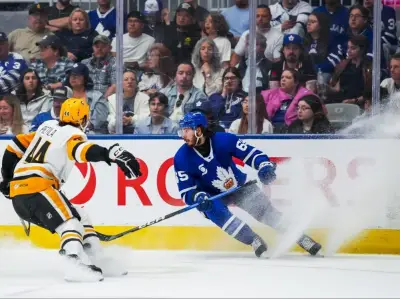
The incident occurred when Gudas delivered what the NHL itself described as a "forceful and dangerous" knee-on-knee collision with Matthews, who serves as captain of the United States Olympic team. Despite the severity of the hit and Matthews' significant injury, Gudas received only a five-game ban following a telephone hearing with the NHL's Department of Player Safety.
This punishment has raised eyebrows throughout the hockey community, particularly considering Gudas' history. The veteran defenseman has been suspended five times previously in his 14-season career, accumulating a total of 26 games in suspensions. The decision not to conduct an in-person hearing, which typically indicates a more substantial penalty, has further fueled criticism of the league's disciplinary process.

McDavid's Measured Critique
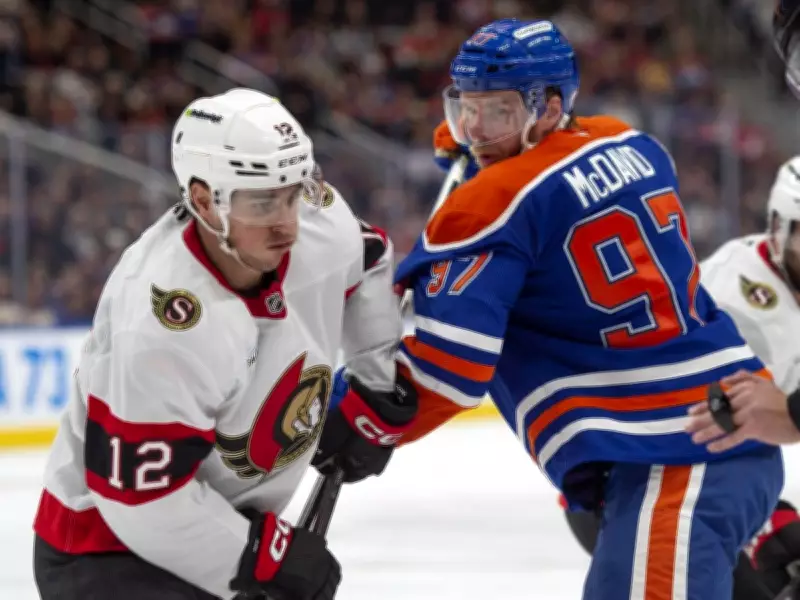
When asked about whether the league needs to provide greater protection for star players following the Gudas incident, McDavid chose his words carefully but made his position clear. "Player Safety does their best and it's not an easy thing to do," the Oilers captain acknowledged. "But at the same time there is a reason to look at how the whole process works."
McDavid elaborated on his concerns about the current system's effectiveness. "If every time there's a suspension, everybody complains about it, why don't we take a look at the process and figure out if there's a better way to make sure both parties are happy because it seems like there's a lot of frustration there," he stated.
Agent's Strong Condemnation
The criticism extends beyond players to their representatives. Judd Moldaver, who serves as agent for both Matthews and McDavid, delivered a scathing assessment of the suspension. He called the five-game penalty "laughable and preposterous," adding that "the decision results in a further loss of confidence in the disciplinary process ... players and fans deserve better."
Historical context adds weight to these concerns. Retired winger Matt Cooke, a notorious repeat offender, received a seven-game suspension for a similar knee-on-knee hit on Tyson Barrie during the playoffs twelve years ago. Given that postseason justice typically shows more leniency due to the importance of playoff games, Gudas' regular-season penalty appears particularly light by comparison.
Broader Systemic Issues
The controversy highlights the complex dynamics at play in NHL disciplinary decisions. The NHL Players' Association represents both the injured player and the offending player, creating inherent conflicts of interest. Meanwhile, general managers and team owners often advocate for justice when their players are victims but may resist severe penalties when their own players are the perpetrators.
McDavid, who has himself been suspended during his career, emphasized his perspective as a player rather than a team executive. "I'm not an owner, I'm not a GM. I'm a player and all I can say is from a players' perspective most times there's a suspension, there's some frustration from the players' side," he explained. "So why don't we look at the process and figure out a way that works for everybody?"
The incident and its aftermath have sparked renewed debate about whether the NHL's current disciplinary system adequately protects players, particularly star athletes whose absence significantly impacts their teams and the league's entertainment value. As the conversation continues, McDavid's measured critique adds significant weight to calls for reform in how the NHL addresses player safety violations.