Vice President's Olympic Cameo Draws Icy Reception from Hockey Fans
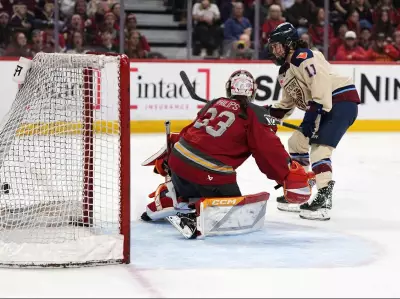
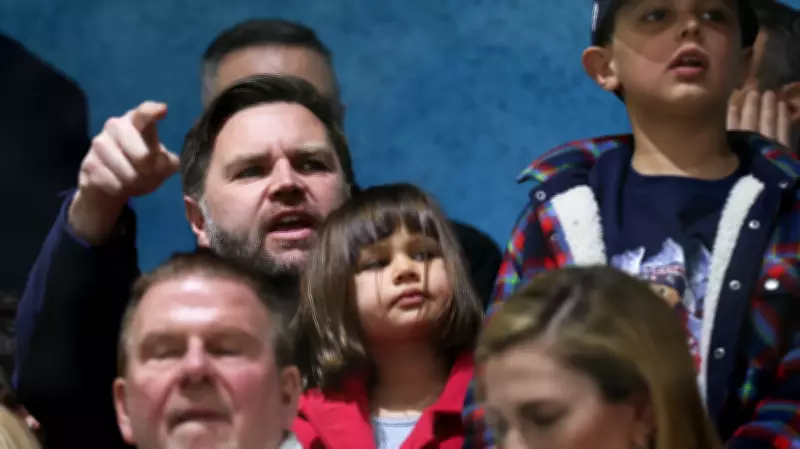
Vice President JD Vance found himself in the spotlight during Thursday's Winter Olympics coverage, but not in the way he might have hoped. While cheering on the U.S. women's hockey team in their opening match against Czechia in Milan, Vance became an unexpected focal point for television viewers who expressed strong disapproval of his presence.
Broadcast Focus Sparks Social Media Firestorm
The NBC and Peacock broadcast occasionally panned to Vance and Secretary of State Marco Rubio watching the game from the stands. This decision by the network's production team triggered an immediate and vocal response across social media platforms, particularly on X (formerly Twitter).
Viewers expressed their frustration in no uncertain terms, with many describing visceral reactions to seeing the vice president on their screens during the sporting event. The sentiment ranged from mild annoyance to outright anger, creating a digital backlash that overshadowed the athletic competition for some observers.

Audience Reactions Range from Discomfort to Outrage
The social media response revealed a spectrum of viewer discomfort with Vance's televised appearance:
- One viewer declared they wanted to "GAG!!" at the sight of Vance watching the women's hockey game, calling it "Gross!!!!!!!"
- Another described being "jump scared" by Vance's appearance while trying to watch the hockey match
- Multiple viewers reported instinctively booing at their television screens when the broadcast cut to Vance
- Several threatened to stop watching the game entirely if the network continued showing the vice president
- One commenter suggested Vance had "no right to be at a women's hockey game"
- Another expressed that their morning was "ruined" by the unexpected appearance
The intensity of the response highlights how political figures can become lightning rods for public sentiment, even during ostensibly non-political events like Olympic sports coverage. The reaction suggests that for some viewers, the presence of certain political figures in sports broadcasting creates an unwelcome intrusion into their entertainment experience.
Broader Implications for Sports Broadcasting
This incident raises questions about how broadcast networks should handle appearances by political figures during major sporting events. While networks traditionally show notable attendees at significant competitions, the strong negative reaction to Vance's appearance demonstrates that such decisions can alienate portions of the audience.
The situation also illustrates how social media has transformed audience feedback from private grumbling to public, real-time commentary that can shape perceptions of both the broadcast and the individuals featured. As sports broadcasting continues to evolve in the digital age, networks may need to reconsider how they balance coverage of notable spectators with maintaining viewer engagement and satisfaction.
Despite the controversy surrounding his television appearance, the vice president's presence at the game underscores the continued tradition of political figures attending major international sporting events as both spectators and representatives of their nations on the global stage.