IOC Enforces New Policy Barring Transgender Women from Olympic Female Competitions
The International Olympic Committee (IOC) has officially implemented a groundbreaking policy that bans transgender women athletes from participating in female categories at the Olympic Games. This decision, announced in March 2026, marks a significant shift in the organization's approach to gender eligibility in sports.
Details of the IOC's Eligibility Criteria
The new policy establishes strict guidelines for female eligibility, effectively excluding transgender women from competing against cisgender women in Olympic events. The IOC cited the need to ensure fair competition and maintain the integrity of female sports as the primary rationale behind this move. This policy applies to all future Olympic Games, starting with the upcoming competitions.
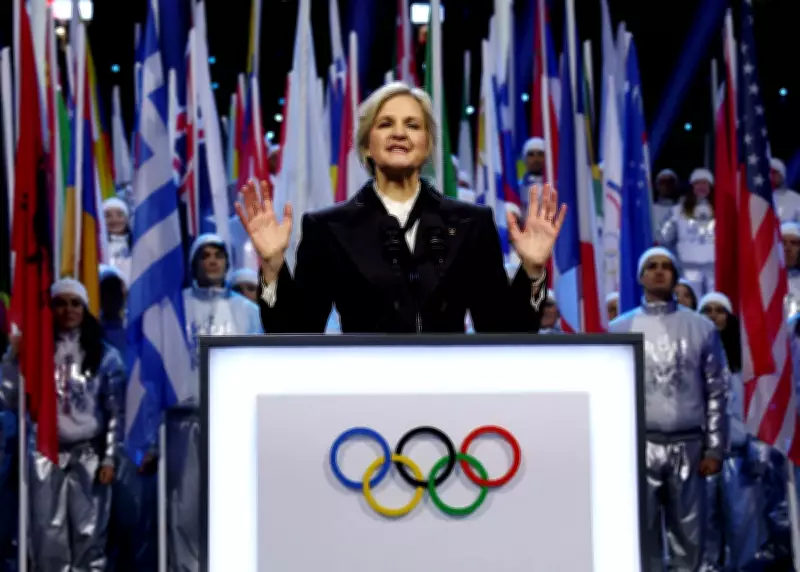
IOC President Kirsty Coventry, who was prominently featured during the 2026 Winter Olympics opening ceremony in Milan, Italy, has been a key figure in advocating for this change. The policy development involved extensive consultations with sports scientists, medical experts, and athlete representatives to address concerns over physiological advantages.

Impact on the Sports Community
This decision is expected to have profound implications for transgender athletes worldwide who aspire to compete at the Olympic level. Many sports organizations have been grappling with similar issues, and the IOC's policy may influence other international federations to adopt comparable measures.
Advocates for transgender inclusion have expressed disappointment, arguing that the policy undermines efforts to promote diversity and equality in sports. They emphasize the importance of individual case assessments rather than blanket bans.
Conversely, supporters of the policy contend that it is necessary to protect the fairness of women's sports, citing studies on physical differences. The debate highlights the ongoing tension between inclusion and competitive equity in athletics.
Broader Context and Future Implications
The IOC's move comes amid a global conversation about gender identity and sports participation. Various national and international bodies have been revising their policies, leading to a patchwork of regulations across different sports.
- The policy may lead to legal challenges from affected athletes.
- It could prompt further research into gender and athletic performance.
- Other major sports events may reconsider their eligibility rules.
As the sports world adapts to this new landscape, the IOC has stated that it will continue to monitor scientific developments and may adjust the policy accordingly. This decision underscores the complex interplay between sports, science, and social values in modern athletics.