Toronto Hockey Team Accused of Fabricating Parent Complaint to Fire Coach
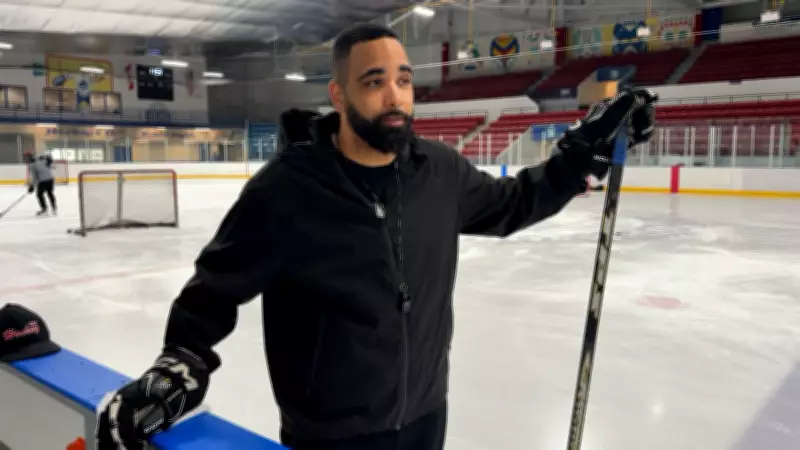
In a startling development within Toronto's youth sports community, a local hockey team is facing serious allegations of manufacturing a parent complaint to justify the removal of a coach. Rane Carnegie, the coach at the center of the controversy, asserts he was abruptly dismissed from his position after team officials cited concerns raised by a parent. However, Carnegie claims this complaint is entirely fictitious, crafted as a pretext for his termination.
The Coach's Allegations
Rane Carnegie, who had been serving as a coach for the Toronto-based hockey team, states he was informed of his dismissal in late March 2026. According to Carnegie, team management referenced a specific complaint from a parent named 'Rick Jones' as the primary reason for his firing. Carnegie immediately questioned the validity of this complaint, noting he had no record of any parent by that name associated with the team or its players.
"I was blindsided," Carnegie said. "They told me a parent named Rick Jones had issues with my coaching methods, but I've never met or heard of anyone with that name in our organization. It feels like a complete fabrication." Carnegie has since sought clarification from team officials, but reports receiving vague or contradictory responses, further fueling his suspicion that the complaint was invented.

Broader Implications for Youth Sports
This incident raises significant concerns about accountability and procedural integrity in amateur sports organizations. Youth hockey, like many community sports, relies heavily on volunteer coaches and parental involvement. Allegations of fabricated complaints undermine trust and could deter individuals from taking on coaching roles.
Experts in sports management warn that such practices, if proven, could have legal and ethical repercussions. "Transparency is crucial in youth sports," noted a sports ethics consultant. "If complaints are being manufactured to remove coaches, it not only harms the individuals involved but also damages the integrity of the entire program. Parents and players deserve honest communication."
The situation also highlights potential power dynamics within sports teams, where internal disagreements might lead to unjust dismissals disguised as parental feedback. Without proper verification processes, coaches remain vulnerable to unfounded allegations.
Response and Next Steps
As of now, the hockey team has not issued a public statement addressing Carnegie's specific allegations. Attempts to reach team administrators for comment have been unsuccessful. Meanwhile, Carnegie is considering his options, which may include formal complaints to local sports governing bodies or legal action to clear his name and seek redress.
Community members and parents associated with the team have expressed mixed reactions. Some support Carnegie, citing his dedication and positive impact on players, while others await more information before forming an opinion. The case has sparked discussions on social media and local forums about the need for clearer policies regarding coach evaluations and complaint handling in youth sports.
This incident serves as a reminder of the importance of due process and documentation in sports management. Ensuring that all complaints are legitimate, thoroughly investigated, and communicated transparently is essential to maintaining a fair and supportive environment for coaches, players, and families alike.