Hockey Community Unites as Past Crash Survivors Extend Support to Mustangs Families
In a powerful display of solidarity within Canada's hockey community, survivors of two of the nation's most devastating bus crashes are reaching out to support the families and friends affected by the recent Southern Alberta Mustangs tragedy. The fatal collision, which claimed the lives of three teenage junior hockey players, has resonated deeply with those who have experienced similar losses.
A Tragic Incident That Echoes Past Hockey Community Disasters
The three young athletes, members of the Southern Alberta Mustangs junior hockey team, died following a collision with a gravel truck at the intersection of Highway 2 and 55 Avenue near Stavely on Monday morning. This heartbreaking event has drawn immediate parallels to previous hockey transportation tragedies that have scarred Canadian communities.
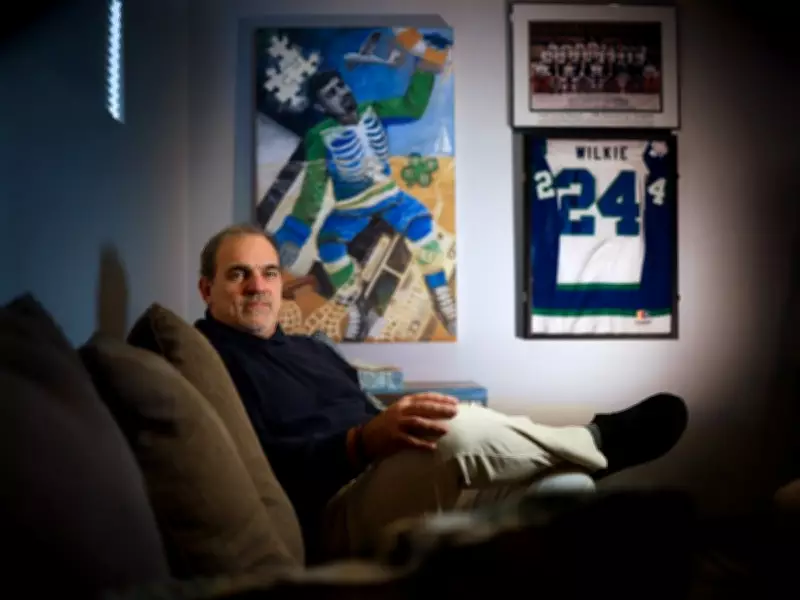
Bob Wilkie, president and founder of I Got Mind and a survivor of the 1986 Swift Current Broncos bus crash, emphasized how such tragedies transcend individual differences and bring communities together in shared grief. "I think it's the hockey that we can all relate to because we've all either played it or have kids that are playing it," Wilkie explained. "It's going to have quite a big impact. Any parent who has a kid in sports that leaves home to pursue their dreams, that's unfortunately one of their fears."

The Psychological Impact of Secondary Trauma
Wilkie, who lost four teammates in the 1986 crash, described how witnessing others' pain can trigger what mental health professionals call secondary trauma. "It's when we watch other people go through the pain and it creates the pain for us because we put it into our own lives," he said. "How's it gonna affect those teammates, coaches and people in the community? We can be quite nasty to each other, but it's these types of events that actually bring us together."
The survivor, who recently released a documentary titled Sideways – a Story of Tragedy and Triumph about his recovery journey, stressed that the Stavely incident will place many people in an emotionally difficult position. He emphasized that healing requires community support, love, and time.
The Long Road to Healing and Community Support
"It is allowing ourselves to grieve and to go through the process of that loss and it can create a healthy perspective of who we have around us, how we treat them, how we treat ourselves," Wilkie continued. "There's a lot of healing that's going to occur. For me it was 20 years. For those families, friends, and teammates, it's something that is part of their story now and it's something that they're going to have to learn how to create a life with that being part of their story."
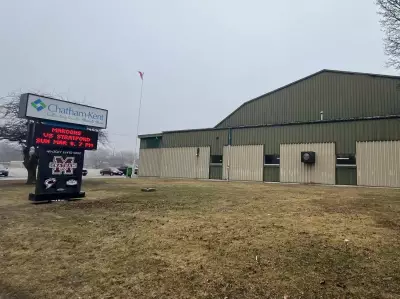
As hockey parents and billet families gathered outside Stavely Arena in the days following the tragedy, the broader hockey community has demonstrated remarkable unity. Survivors from both the 1986 Swift Current Broncos crash and the 2018 Humboldt Broncos tragedy have emphasized the importance of collective support during such devastating times.
Wilkie highlighted the significance of communities setting aside differences to mourn together. "With everyone rallying behind the families and team members impacted by this incident, it's really important to pay attention to how everyone can set aside their differences to mourn this loss," he stated, underscoring the healing power of shared grief within Canada's tight-knit hockey culture.