Hockey Canada Must Overhaul Women's Program Post-Olympics, Not Delay
For nearly 58 minutes during the gold medal game in Milan, Hockey Canada seemed poised to silence its critics with a triumphant victory. The Canadian women's hockey team, often labeled as too old and too slow compared to the youthful American college players, was defying expectations and holding its ground against a formidable opponent.
A Heartbreaking Turn of Events
Pre-Olympic assurances from general manager Gina Kingsbury and head coach Troy Ryan, who confidently stated they had selected the best available Canadian talent and that veteran experience would prove decisive in high-pressure situations, appeared remarkably prescient. However, the narrative shifted dramatically in the final moments.
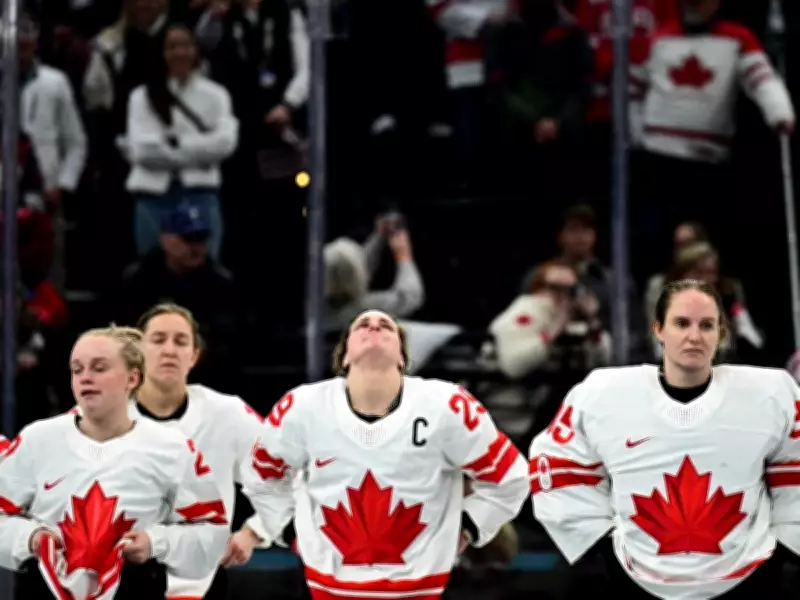
Team USA demonstrated that they too possessed seasoned veterans. Hilary Knight scored a crucial equalizer with the goalie pulled, and Megan Keller netted the overtime winner, securing the gold medal for the Americans and leaving the Canadian team in heartbreak. The tears shed by Canadian players, especially those competing in their final Olympics, were inevitable, but the defeat raises pressing questions about the future direction of the program.

The Thin Margin Between Victory and Defeat
Some might argue that the narrow loss indicates the women's hockey program is fundamentally sound. After all, if Knight's deflection had sailed over the crossbar instead of under it, or if Daryl Watts had successfully completed her overtime rush without the puck rolling off her stick, Canada could have emerged victorious. Such fine margins might suggest that no drastic changes are necessary.
However, one valiant but ultimately unsuccessful performance should not obscure the legitimate concerns that have emerged regarding the diverging trajectories of the U.S. and Canadian programs leading up to the gold-medal clash.
A Pattern of American Dominance
The United States has now secured eight consecutive victories over Canada in competitive play, dating back to last year's world championships. While Hockey Canada may emphasize that the two most critical matches—the gold-medal finals—were both overtime wins for the Americans, highlighting the razor-thin difference between the teams at the highest level, this perspective overlooks a broader trend.
During this period, Team USA has delivered several decisive victories over Canada, including a dominant performance in the pool round at Milan 2026. Despite numerous opportunities, Canada has failed to produce a commanding performance against their rivals, indicating deeper systemic issues.
Critical Examination of Team Selection and Youth Development
A significant portion of the post-Milan analysis must focus on team selection and youth development. Prior to the Olympics, after Canada suffered comprehensive defeats in the four-game Rivalry Series last fall, Ryan and Kingsbury acknowledged that Canada lacked the abundance of young talent simultaneously emerging that characterized the American squad.
The statistics are stark: Team USA brought nine players under the age of 24 to Milan, with seven of them still in college. In contrast, Canada had zero players in both categories. This disparity underscores a critical gap in nurturing and integrating younger athletes into the national program.
Even the most successful organizations can enter prolonged periods of decline if they fail to adapt to evolving circumstances. The time for Hockey Canada to reevaluate and revitalize its women's program is now, immediately following these Olympics, rather than postponing necessary changes. Proactive adjustment is essential to prevent a prolonged fallow period and to restore Canada's competitive edge in international women's hockey.