The Absence of French at Canada's Premier Football Event
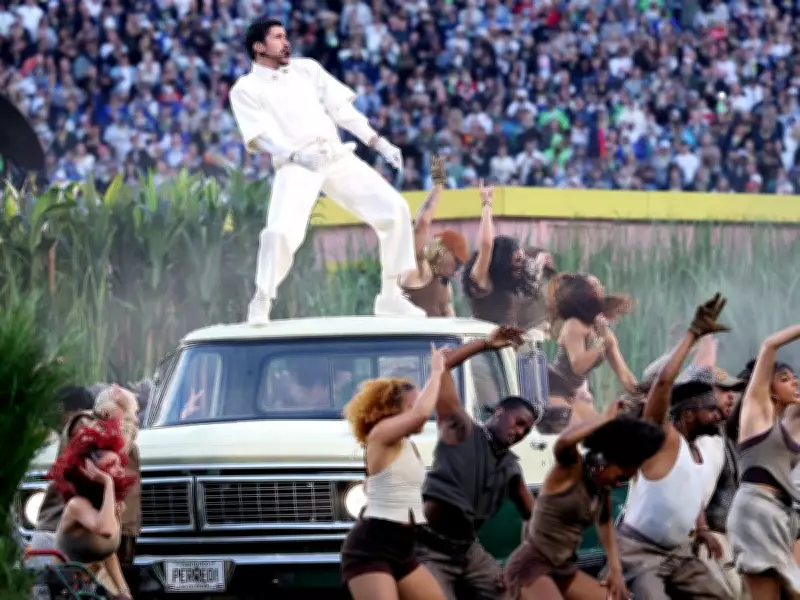
In the wake of Bad Bunny's groundbreaking all-Spanish halftime performance at Super Bowl LX, a pressing question emerges for Canadian sports and culture: why hasn't the Grey Cup featured a similar celebration of French-language music? The Puerto Rican superstar's February 2026 show at Levi's Stadium demonstrated how major sporting events can spotlight linguistic diversity, yet Canada's national football championship continues to overlook its francophone heritage.
A Historical Pattern of Exclusion
The last time French music graced the Grey Cup halftime was over two decades ago in 2001, when Montreal rocker Michel Pagliaro performed during the Montreal-hosted game. Since then, seventeen consecutive Grey Cups have passed without substantial French representation, a stark contrast to Bad Bunny's cultural triumph that resonated with Spanish-speaking communities across America.
This exclusion extends beyond the football field. The incident following the Montreal Alouettes' 2023 Grey Cup victory highlighted ongoing tensions, when safety Marc-Antoine Duquoy expressed frustration about unilingual English signage and an English-only national anthem performance. His emotional outburst—"Gardez-le votre anglais!"—underscored deeper issues of recognition within Canadian institutions.

The Challenge of Cross-Canada Appeal
A fundamental barrier to French representation at the Grey Cup is the perceived lack of francophone artists with nationwide appeal. Unlike Bad Bunny, who became Spotify's most-streamed artist in 2025 with millions of English-speaking fans, Quebec artists struggle to break through to English Canada. The absence of a substantial francophone diaspora outside Quebec compounds this challenge, creating a cultural divide that sporting events could help bridge.
Recent Juno Award nominations reveal systemic issues, with French-language artists largely confined to francophone-specific categories. Rising star Lou-Adriane Cassidy, who dominated Quebec's ADISQ awards, received only a single nomination in the French album category, despite her critical acclaim. This pattern suggests the Junos function more as English Canadian music awards rather than truly national celebrations.
Media Representation and Cultural Perception
The English Canadian media bears significant responsibility for this cultural gap. Coverage of Quebec typically focuses on political controversies—often reinforcing stereotypes about anti-immigrant sentiment or separatism—while largely ignoring the province's vibrant music scene. Toronto media outlets rarely profile francophone Quebec artists, creating a feedback loop where English Canadians remain unaware of French-language cultural production.
This media neglect occurs despite Quebec's rich musical landscape, which includes both French and English performers. The current political climate, with concerns about American policies under President Trump, has made some francophone Quebecers more receptive to Canadian unity, yet cultural recognition remains limited.
Pathways Toward Inclusion
Several factors could facilitate greater French representation at future Grey Cups:
- Strategic artist selection featuring bilingual performers who can appeal to both linguistic communities
- Increased media coverage of Quebec artists in English Canadian outlets
- Hosting more Grey Cups in Montreal, though stadium limitations present challenges
- Industry recognition through more inclusive award shows and promotional efforts
The Bad Bunny phenomenon demonstrates that linguistic boundaries need not limit artistic reach. His Grammy-winning album Debi Tirar Más Fotos proved Spanish-language music could achieve mainstream American success. Similarly, Canada has an opportunity to showcase its linguistic diversity through its premier sporting events, moving beyond token gestures toward genuine cultural celebration.

As Brendan Kelly's analysis suggests, the question isn't whether French-language halftime shows are possible, but whether Canadian institutions are willing to embrace the country's bilingual identity. With proper promotion and cross-cultural engagement, a Quebec artist could potentially achieve the national recognition that has thus far remained elusive, transforming the Grey Cup into a true celebration of Canadian diversity.