Formula 1 Postpones Middle Eastern Races as Iran Conflict Escalates
The high-octane world of Formula 1 has been forced to hit the brakes on its Middle Eastern schedule. Organizers have officially called off the highly anticipated April races in Bahrain and Saudi Arabia, a direct consequence of the escalating war in Iran that has plunged the region into heightened uncertainty.
Geopolitical Tensions Force Schedule Change
This decision underscores the significant impact international conflicts can have on global sporting events. The Bahrain Grand Prix, traditionally a season highlight, and the Saudi Arabian Grand Prix, known for its spectacular night racing, will not proceed as planned. The ongoing war in Iran, now entering its third week, has created an unstable security environment, making it logistically and ethically challenging for teams, drivers, and thousands of personnel to operate safely in the neighboring Gulf region.
Safety for all participants is the paramount concern for Formula 1 management. The series operates on a global scale, and this cancellation is a stark reminder of how geopolitical strife can disrupt even the most meticulously planned international calendars. The move follows a period of intense evaluation by F1 officials in consultation with local promoters and security experts.

Impact on the 2026 Championship Season
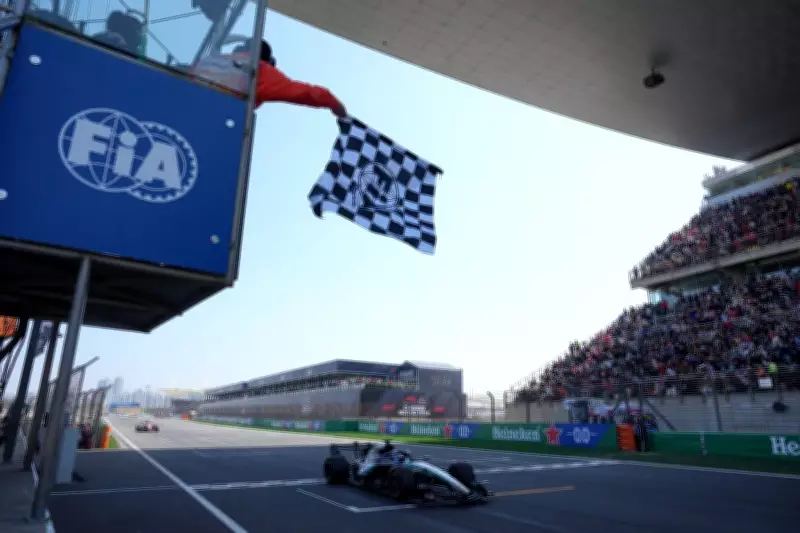
The cancellation leaves a notable gap in the early part of the 2026 season. Teams like Mercedes, whose driver George Russell recently celebrated a Sprint Race victory in Shanghai, must now recalibrate their strategies. The absence of these two races could affect championship momentum, testing schedules, and the substantial economic benefits these events bring to their host nations.
This is not the first time Formula 1 has adjusted its calendar due to external conflicts, but it marks a significant disruption for the current season. The sport now faces the complex task of potentially rescheduling these events or adjusting the championship points system, a scenario that adds another layer of unpredictability to an already demanding competition.
A Broader Context of Global Sports and Conflict
The postponement occurs against a backdrop where other sports are also feeling the ripple effects of global tensions. The decision reflects a growing trend where sporting bodies must weigh competitive ambitions against real-world safety and ethical considerations. As the situation in Iran continues to develop, the world of motorsport, along with its global fanbase, will be watching closely for updates on when, or if, racing can safely return to these circuits.