Former FIFA President Sepp Blatter Advocates for Boycott of US World Cup
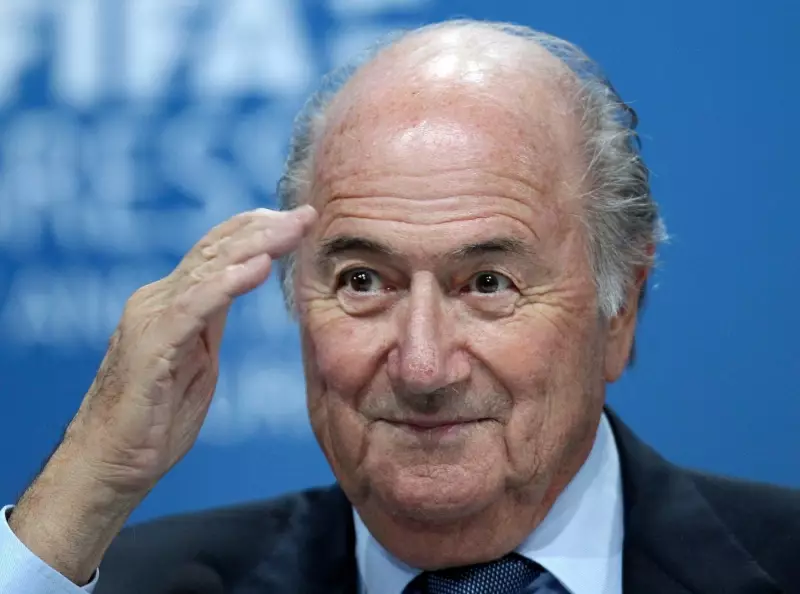
In a significant development, Sepp Blatter, the former president of FIFA, has joined a growing chorus of voices calling for a boycott of the upcoming FIFA World Cup scheduled to be held in the United States. This move adds considerable weight to the ongoing debate surrounding the event, as Blatter is a prominent figure in international soccer with a controversial legacy.
Background and Context of Blatter's Stance
Blatter, who served as FIFA's president from 1998 to 2015, made his position known recently, aligning with various groups and individuals who have expressed reservations about the United States hosting the tournament. While specific reasons for his call to boycott have not been detailed in the initial report, it is likely tied to broader issues such as political tensions, human rights concerns, or logistical challenges that have surfaced in the lead-up to the event.
His involvement brings renewed attention to the World Cup, which is one of the most watched sporting events globally. The United States, along with Canada and Mexico, is set to co-host the 2026 FIFA World Cup, making this a pivotal moment for North American soccer.

Implications for the 2026 World Cup
The call for a boycott by a figure like Blatter could have far-reaching consequences. It may influence public opinion, spark further protests, or pressure FIFA and local organizers to address underlying issues. Historically, boycotts of major sporting events have been used as a tool for political or social change, and this situation is no exception.
As the World Cup approaches, stakeholders including fans, players, and sponsors will be closely monitoring developments. The potential for reduced participation or attendance could impact the event's success and legacy, highlighting the need for transparent dialogue and resolution of concerns.
Broader Reactions and Future Outlook
Reactions to Blatter's statement are likely to be mixed, given his past controversies and the polarized nature of international sports politics. Some may view his stance as a legitimate critique, while others might dismiss it as opportunistic. Regardless, it underscores the complex interplay between sports and global issues.
Moving forward, it will be crucial for FIFA and host nations to engage with critics and ensure that the World Cup promotes unity and fair play. The coming months will reveal whether Blatter's call gains traction or fades amid the excitement of the tournament preparations.