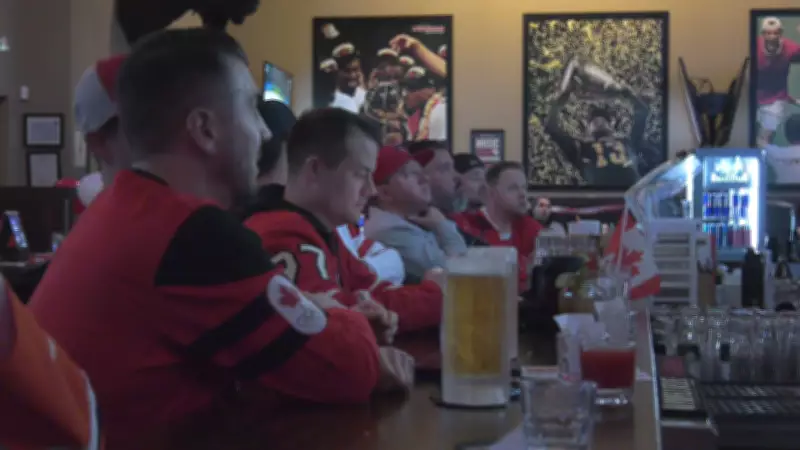
Edmontonians Rise Early for Olympic Hockey Heartbreak
In the predawn hours of February 22, 2026, hundreds of dedicated Edmonton hockey fans sacrificed their sleep to gather at local bars and restaurants, eagerly anticipating the Olympic men's hockey gold-medal game between Canada and the United States. The Canadian Brewhouse in Windermere was among the venues packed with passionate supporters, all hoping to witness a historic victory for Team Canada.
A Nationwide Phenomenon of Early Morning Gatherings
This scene was not unique to Edmonton. Across Canada, from Winnipeg to Saskatoon and London, Ontario, fans abandoned their warm beds to fill sports bars, creating a nationwide wave of early morning camaraderie. The shared experience of rising before sunrise for the pivotal game demonstrated the deep cultural significance of Olympic hockey in Canadian society, uniting communities in a collective display of national pride and sporting enthusiasm.
The Devastating Overtime Conclusion
The atmosphere, initially electric with anticipation, turned to heartbreak as the game reached its conclusion. After a fiercely competitive regulation time that kept fans on the edge of their seats, the United States secured the gold medal with a sudden-death overtime goal. The loss marked a particularly painful end to the Milan Cortina Olympics for Canada, closing the Games on a note of sporting disappointment that resonated deeply with fans who had invested their early morning hours in support.

Social media and local reports captured the palpable shift in mood, as celebrations were abruptly replaced by stunned silence and expressions of dismay. Many fans described the moment as "one of the worst" in their sporting lives, highlighting the emotional investment tied to international hockey competitions.
Broader Context of Olympic Coverage
The hockey final occurred against a backdrop of other significant Olympic stories, including the Canadian Olympic Committee confirming that player Marie-Philip Poulin was blocked from speaking French during media engagements. This incident added a layer of linguistic and cultural discourse to the Games' narrative, though on this particular morning, the focus for Edmontonians remained squarely on the ice.
Despite the disappointing outcome, the event underscored the enduring tradition of communal sports viewing in Canada, especially for high-stakes international matches. Bars and restaurants that opened their doors early provided essential social hubs, transforming individual viewings into shared national experiences, even when those experiences ended in defeat.
The early morning gatherings also reflected careful planning by venues and fans alike, with establishments preparing for large crowds and fans coordinating their schedules around the unconventional broadcast time. This logistical effort further emphasized the game's importance within the Canadian sporting calendar.