Chelsea Parts Ways with Manager Liam Rosenior Following Disappointing Stretch
Chelsea Football Club has terminated the contract of head coach Liam Rosenior after a dismal run of form, cutting short his tenure at the helm to less than four months. The club announced the decision on April 22, 2026, citing unsatisfactory performance as the primary reason for the abrupt change in leadership.
A Brief and Troubled Tenure in West London
Liam Rosenior, who took over as Chelsea's manager in early 2026, faced immediate challenges in steering one of England's most prestigious football clubs. His appointment was met with optimism, but results on the pitch quickly turned sour, leading to mounting pressure from fans and club officials alike.
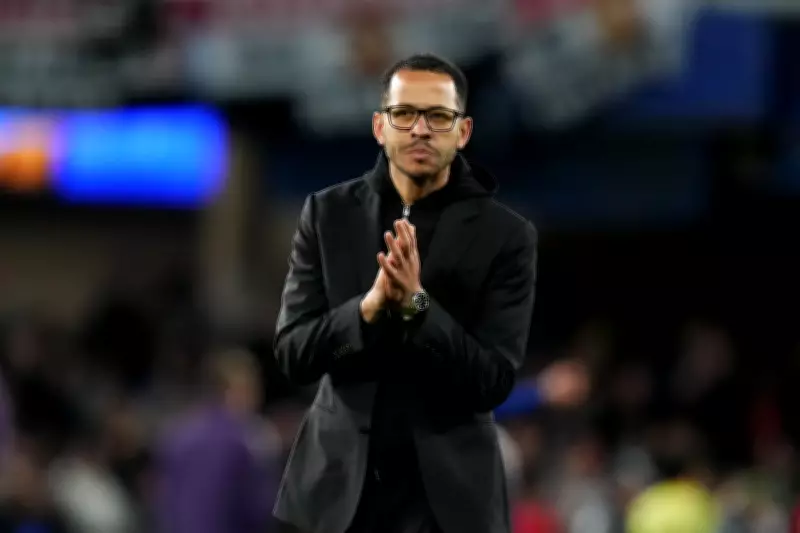
The final straw appears to have been a recent English Premier League match against Manchester United on April 18, 2026, where Chelsea suffered a defeat at their home ground in London. Rosenior was seen leaving the field after that match, which now marks one of his last appearances as the team's head coach.

Performance Issues and Immediate Fallout
Chelsea's management cited a dreadful run of results as the core reason for Rosenior's dismissal. The club, known for its high expectations and competitive ambitions, could not tolerate the prolonged slump under his guidance. This move highlights the intense pressure and short leashes often given to managers in top-flight football, especially at clubs with Chelsea's stature and financial backing.
Rosenior's firing underscores the volatile nature of soccer management, where even brief periods of underperformance can lead to swift exits. His departure leaves Chelsea searching for a new leader to revive their fortunes in the Premier League and other competitions.
What This Means for Chelsea's Future
The club now faces a critical period of transition as they seek a replacement for Rosenior. Key considerations for Chelsea's next manager will include:
- Improving team morale and on-field cohesion
- Securing better results in upcoming matches
- Navigating the remainder of the 2026 season with stability
- Addressing any underlying issues that contributed to the poor run
This managerial change comes at a pivotal time in the football calendar, with Chelsea aiming to salvage their season and build for the future. The club's decision reflects a broader trend in sports where immediate results often trump long-term planning, especially in high-stakes environments like the Premier League.