In the world of professional sports, a team is far more than just a business entity. It serves as a semi-public trust, deeply intertwined with the identity of its city and community. For the Vancouver Canucks, this connection is palpable, yet a growing silence from ownership has left fans and observers seeking answers about the team's future direction.
A Call for Transparency from Canucks Leadership
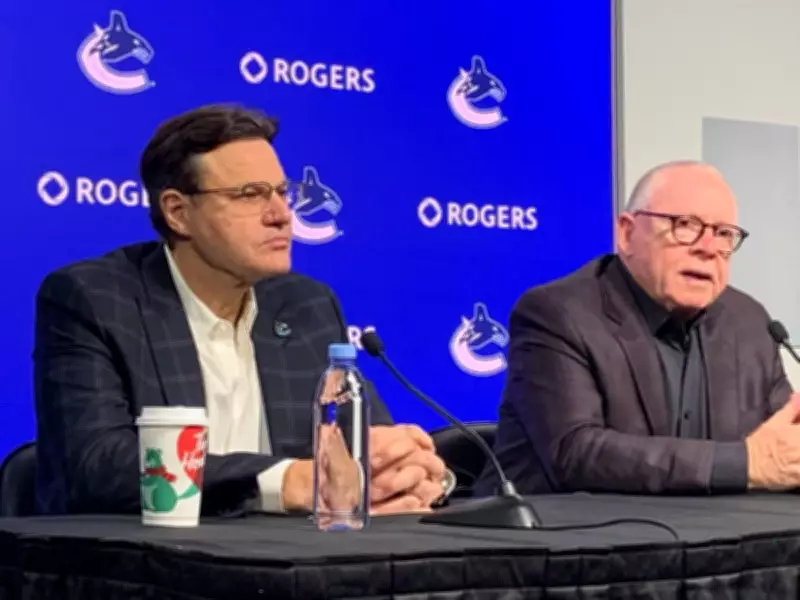
Canucks chairman Francesco Aquilini has remained notably quiet in recent times, with no public statements since president of hockey operations Jim Rutherford received a contract extension back in 2024. This absence of communication comes during what many consider a challenging period for the organization, raising questions about accountability and vision at the highest levels.
As the team navigates on-ice struggles and coaching uncertainties, the need for leadership transparency becomes increasingly apparent. Sports journalists have attempted to secure interviews with ownership, hoping to relay fan concerns and questions directly to those steering the ship. However, these efforts have thus far yielded no response, creating an information vacuum that does little to reassure the passionate Canucks fanbase.

The Coaching Conundrum and Historical Parallels
Current head coach Adam Foote finds himself at the center of ongoing speculation about the team's direction. Despite recent improvements in team performance, victories remain elusive as the organization appears focused on securing a high draft position. This delicate balance between development and results has sparked debate about Foote's long-term viability behind the bench.
Historical coaching changes in Vancouver provide context for the current situation. The 1991 dismissal of Bob McCammon by then-general manager Pat Quinn marked a turning point that eventually led to playoff success and the arrival of Pavel Bure. More recently, the transitions from Bruce Boudreau to Rick Tocchet demonstrated how coaching changes can signal new organizational directions.
Foote's situation presents complex considerations. While some argue that a mid-season change could provide a fresh start, others contend that stability remains crucial for a team still finding its identity. Assistant coach Manny Malhotra represents a potential alternative, though the timing of any such transition requires careful consideration.
The Broader Impact of Ownership Communication
The Canucks organization exists within a broader ecosystem that extends far beyond the ice rink. From sponsors and advertisers to local businesses and community partners, numerous stakeholders rely on the team's stability and direction. When ownership remains silent during difficult periods, it creates uncertainty throughout this interconnected network.
Fans deserve to understand the vision guiding their team, particularly during seasons marked by transition and rebuilding. While not every detail requires public disclosure, basic communication about organizational philosophy and long-term planning represents a reasonable expectation for those invested in the team's success.
As the season progresses toward its conclusion, the Canucks face important decisions about their coaching staff and overall direction. These choices will shape not only next season's prospects but also the relationship between the organization and its supporters. In this context, leadership communication becomes more than just a courtesy—it represents an essential component of responsible stewardship for a community institution.