Vancouver Canucks Grapple with Cultural Struggles During Historic Losing Streak
The Vancouver Canucks are embroiled in a profound internal struggle as a devastating 11-game losing streak threatens to set a new franchise record for futility. This prolonged period of defeat has not only impacted the team's standings but has also laid bare significant cultural and structural issues within the organization.
Leadership Under Fire as Frustration Boils Over
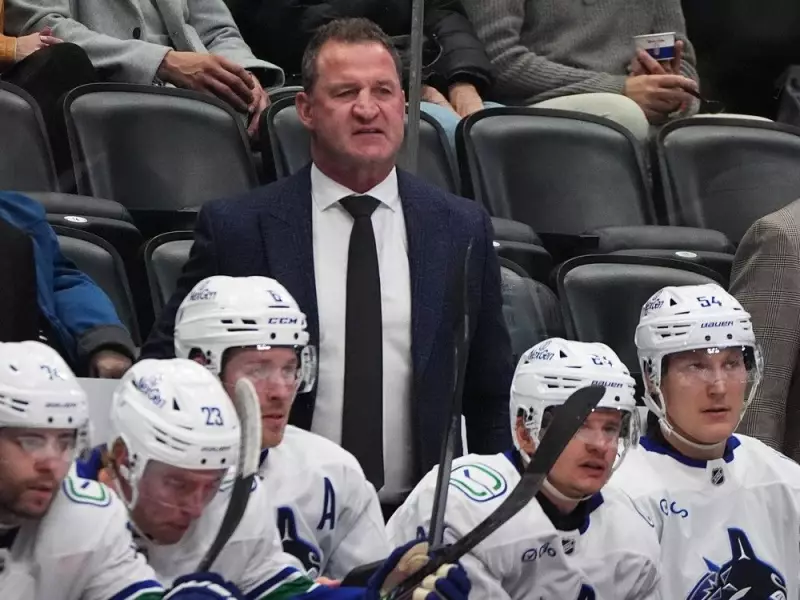
Head coach Adam Foote finds himself at the epicenter of this turmoil, tasked with maintaining focus and teaching a demoralized, last-place club. The situation reached a critical point following a 4-3 loss to the New York Islanders, prompting Foote to deliver pointed criticisms that highlighted deep-rooted problems.
"It's always been here," Foote stated, referencing a pattern of frustration and defeatist attitudes that has plagued the team for years. "We get off a little bit and get pissy and get defeated and then the frustration comes in."

Foote emphasized that these issues are not new, having observed them even before accepting his coaching role. He recalled watching ten games prior to joining the staff and seeing the problems "clear as day." Despite efforts to eliminate these negative tendencies, they persist, undermining the team's performance.
Mixed Messages from Management Create Uncertainty
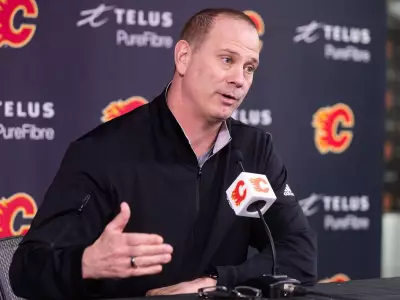
General Manager Patrik Allvin added another layer of complexity to the situation with comments that seemingly contradicted the need for immediate cultural change. Allvin stressed the importance of veteran leadership in guiding young players like promising defencemen Zeev Buium, Tom Willander, Elias Pettersson, and Victor Mancini.
This focus on veteran presence could influence decisions regarding "culture carriers" like Conor Garland, potentially keeping him instead of trading him. However, Allvin acknowledged that the team is listening to trade offers, noting that "six years is a long commitment to any player," even one as admired as Garland.
"We're extremely fortunate to have good veteran players here and good people to teach our young guys with a lot of changes," said Allvin. "But we need to be better and win games. If (a trade) makes sense for us long term, we'll definitely look into it."
The Vicious Cycle of Frustration and Defeat
Foote identified a destructive pattern where minor setbacks trigger disproportionate reactions from players, particularly veterans. Bad line changes, slammed gates, and visible frustration give opponents "juice and energy," creating a snowball effect that the team struggles to contain.
"I've been watching this for too long — we've got to stop burning ourselves by getting frustrated," Foote stressed. "The plan is working. It's our vets. They've got to hang in there."
The coach highlighted how injuries have compounded these issues, testing the team's resilience throughout a torturous season. With goaltender Thatcher Demko's recent injury adding to the challenges, Foote acknowledged the difficult circumstances while insisting on maintaining composure.
Accountability and the Path Forward
Foote called for greater accountability, particularly from veteran players who must lead by example. "If they understand the contract and what they have agreed to, then the accountability can become more firm," he stated.
The coach emphasized that overcoming this cultural crisis requires consistent effort from everyone involved. "Every day is different. Sometimes, (players) don't need a kick and maybe a little bit of love," Foote noted, suggesting a nuanced approach to motivation.
However, the fundamental message remains clear: "If they want to win, they've got to get it out, and it starts with our vets." The buy-in from players is critical, and as Foote acknowledged, "the tune-out can be inevitable for any coach." If that occurs in Vancouver, it would signal an even deeper problem within the organization.
As the Canucks navigate this challenging period, the responses from both the hockey operations department and the players will determine whether the team can escape this cycle of frustration and begin building a more resilient culture for the future.