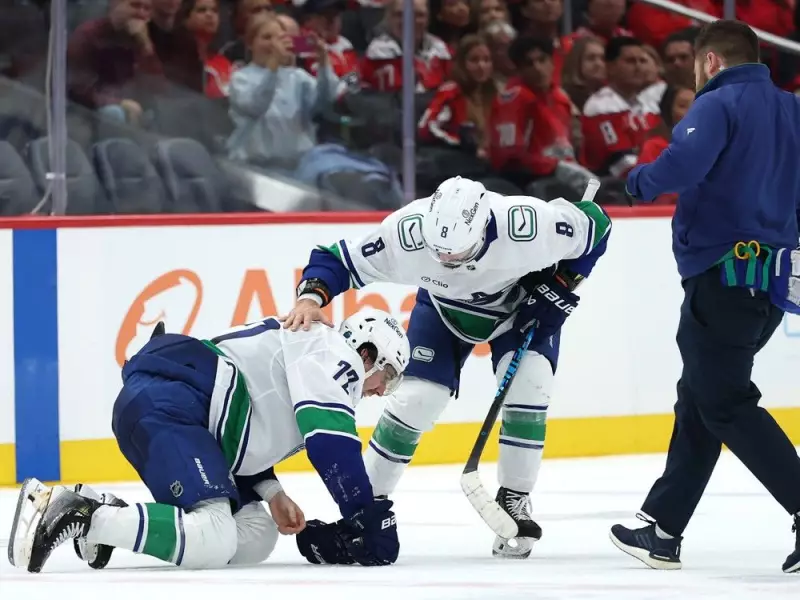
Vancouver Canucks centre Filip Chytil is navigating the most challenging path of his professional hockey career: a meticulous recovery from his sixth documented concussion. The 26-year-old forward suffered the latest brain injury on October 19, 2025, after a devastating neutral-zone hit from Washington Capitals forward Tom Wilson. Despite the known risks that the next impact could end his career, Chytil remains committed to a return to the ice.
The Road to Recovery and a Glimmer of Hope
In late December, a significant milestone was reached. Clad in a red non-contact jersey during a morning skate at Rogers Arena, Chytil approached head coach Adam Foote with a smile and a simple, powerful statement: "I feel so good." For the first time in weeks, he experienced no sensitivity to light, headaches, or nausea. The joy of simply being back around the game was palpable.
Chytil is now targeting a return to full practice participation during the Canucks' upcoming six-game road trip, which opens on Tuesday, January 6, 2026, in Buffalo against the surging Sabres. The ultimate goal is to be activated from injured reserve. However, the central question looms larger than any game plan: why would a player risk long-term cognitive health after multiple severe brain injuries?

The answer, as Chytil and many athletes before him have expressed, is deeply personal. "It's hard to take the stick away from any player," even with the sobering knowledge of potential career-ending consequences.
A History of Head Trauma and Unfulfilled Potential
This latest concussion saga began just weeks into the season. The Wilson hit was brutal and unpenalized, leaving Chytil dazed on the ice and requiring assistance to the locker room. It came shockingly soon after another scare in late September during a preseason game in Seattle. There, a heavy reverse hit from former New York Rangers teammate Kaapo Kakko initially raised alarms, though Chytil reported no concussion symptoms afterward.
At that time, the Czech native was optimistic. Having trained diligently since May, he believed he was in a great place physically and mentally. "I'm not thinking about it (concussions) at all," he stated in September. "I know my body and what's going on. I'm working to stay on the ice as much as I can and play a full season finally."
The Canucks have a significant investment in seeing that happen. Acquired as a key piece in the J.T. Miller trade, Chytil is under contract for another year at a manageable $4.4 million (US). When healthy last season, he showcased exactly why Vancouver wanted him. In 15 games before a March 15 concussion caused by Jason Dickinson, Chytil led the team in scoring chances (42) and rush scoring chances (13). He was also second in offensive zone carry-ins (95) and expected goals (4.43). Former coach Rick Tocchet valued his unique blend of size, speed, and two-way play.
The Medical Perspective: Weighing Career Against Life After Hockey
The precarious nature of Chytil's situation is not lost on medical professionals. Dr. Harjas Grewal, a B.C. physician and former hockey player who himself suffered a concussion, offered a sobering analysis to Postmedia News.
"I really like him as a player, but the person has to come first," Dr. Grewal said. "Sometimes you have to acknowledge that continuing to play may rob you of your life after hockey." He urges a long-term view, noting that even a career to age 40 leaves decades of life where quality of health is paramount. The risk of lingering symptoms affecting future family life and activities is a serious consideration.
Chytil's story echoes that of former Canucks winger Sven Baertschi, who was forced to retire at 31 after multiple concussions and persistent symptoms. Baertschi's career ended after his fifth significant head injury in 2018; he now serves as an assistant coach in the WHL.
For Filip Chytil, the fight continues. He skates in the red jersey, works through the protocols, and dreams of a regular sweater. The dilemma between the passion for his sport and the protection of his future is one only he can ultimately resolve. His bravery is undeniable, but the stakes, as Dr. Grewal reminds us, extend far beyond the hockey rink.