Canada's Olympic Hockey Reckoning After Dual Gold Medal Heartbreaks
Following two weeks of competition in northern Italy that delivered more disappointment than celebration for Canadian athletes, the nation now confronts a profound sporting reckoning. The dual overtime losses in hockey gold medal games within four days have struck a brutal blow to the national psyche, raising fundamental questions about Canada's Olympic future.
The Crushing Final Day in Milan-Cortina
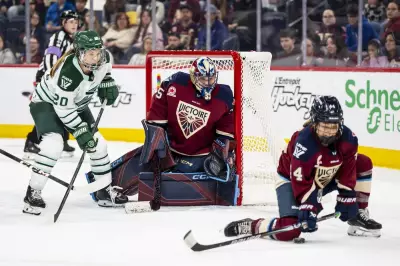
The Canadian men's hockey team, featuring a roster packed with NHL superstars, followed the heartbreaking path of the Canadian women's team with their own sudden-death defeat. What made the loss particularly devastating was not just the outcome but the manner of defeat. The men dominated play for extended periods, creating numerous high-quality scoring opportunities while tilting the ice at what felt like a 45-degree angle against their American opponents.
Yet the team failed to convert their dominance into goals. From coast to coast, Canadian hockey fans watched in disbelief as chance after chance went begging. Nathan MacKinnon missed a nearly empty net on a one-timer opportunity. Connor McDavid's breakaway attempt found only the pads of American goaltender Connor Hellebuyck. An absurd paddle save by Hellebuyck denied Devon Toews from mere inches away. Macklin Celebrini experienced multiple missed opportunities from the slot that will likely haunt the teenager for years to come.

The Inevitable Overtime Heartbreak
As the game progressed to the carnival atmosphere of 3-on-3 overtime, the American heist of what should have been a Canadian victory felt increasingly inevitable. The hockey gods, it seemed, would not allow Canada to escape unscathed after squandering so many golden opportunities. The resulting loss delivered a nationwide mood deflation rather than the anticipated emotional lift.
There's no escaping the reality that the overall atmosphere surrounding Team Canada's performance, as contemporary vernacular would describe it, was far from immaculate. The dual hockey heartbreaks have forced a national conversation about what comes next for Canadian Olympic aspirations.
Silver Linings Amid the Disappointment
Despite the hockey disappointments, the Milan-Cortina Games did deliver some memorable Canadian moments. Mikaël Kingsbury, arguably one of the most dominant athletes across any sport, secured a gold medal in dual moguls after coming agonizingly close earlier in the Games. His emotional collapse into the snow at the conclusion of his winning run, pounding his fists into the ground, captured the relief of an athlete concluding his Olympic career in the only appropriate fashion.
Other highlights included Megan Oldham's triumphant return from significant injury to claim gold in the high-risk freestyle big air event. Brad Jacobs' curling rink staged a remarkable comeback to secure gold following the week-long controversy surrounding the Boopgate incident. Speedskaters Valérie Maltais and Steven Dubois delivered victories that reminded observers Canada can still compete effectively in disciplines increasingly dominated by rival nations.
Confronting the Olympic Future
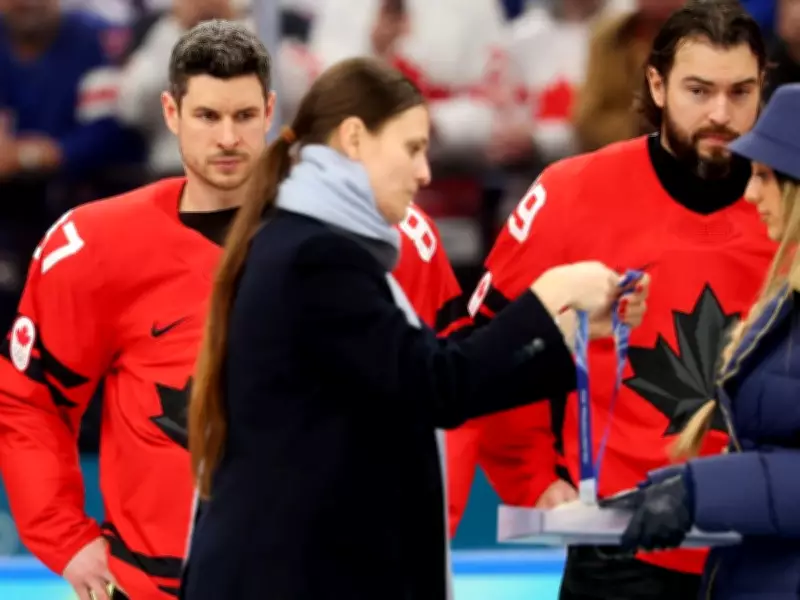
The consecutive hockey losses have prompted serious reflection about Canada's approach to future Olympic competitions. The defeats serve as a stark reminder that losing at elite sports often feels more profoundly disappointing than winning feels exhilarating. As Team Canada captain Sidney Crosby, who missed the gold medal game, looked down at the silver medal placed around his neck in what will likely be his final Winter Olympics appearance, the moment symbolized both individual and collective disappointment.
Canadian Olympic officials have already begun raising alarms about the nation's ability to compete at the highest international levels moving forward. The dual hockey heartbreaks at Milan-Cortina 2026 have created more than just temporary disappointment—they've sparked a fundamental reckoning about Canada's sporting identity and Olympic future.