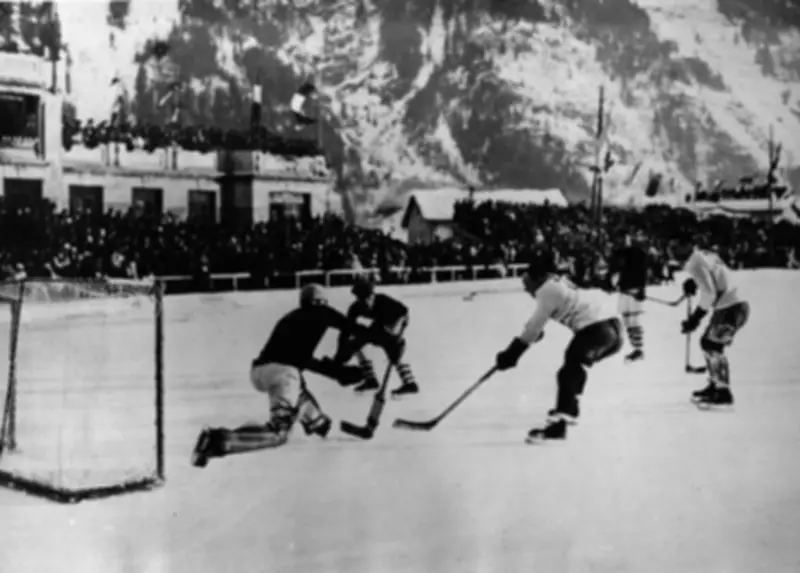
Canada's Hockey Supremacy at the Inaugural Winter Olympics in 1924
The modern Olympic movement began with the Summer Games in Athens in 1896, but it took nearly three decades for winter sports to receive their own global stage. The first Winter Olympics were held in 1924 in the picturesque Alpine town of Chamonix, France, bringing together 260 athletes from 16 nations for a modest program of just 16 events.
A Small but Mighty Canadian Contingent
Canada sent only a dozen athletes to these pioneering Winter Games, a stark contrast to the 78 competitors who represented the nation at the Summer Olympics in Paris that same year. The Canadian delegation included a nine-man hockey team, speedskater Charles Gorman, male figure skater Melville Rogers, and 15-year-old Cecil Smith, who made history as Canada's first female Olympian. Smith and Rogers competed both individually and as a pairs team in figure skating.
Weather Woes and Olympic Challenges
Just days before the Games were set to open on January 25, 1924, Chamonix faced an unexpected crisis. A sudden warm snap and rain transformed the ice rinks into pools of water and turned toboggan courses into mountain torrents. Contemporary reports described knee-deep mud that made transportation nearly impossible. Fortunately, the weather improved, allowing the Olympics to commence on January 26 with the 500-meter speedskating competition.

Hockey Dominance and Individual Performances
While Canada's individual athletes faced challenges—Gorman finished seventh in speedskating, and Rogers and Smith placed seventh and fifth respectively in their figure skating events—the hockey team delivered an unforgettable performance. Led by the remarkable Harry Watson, who scored 36 goals in just five games, Canada defeated the United States in the gold-medal final. The victory was particularly impressive given the unusual format of the era, with players lining up facing the side boards rather than the attacking goal during face-offs.
Curious Olympic Details and Historical Context
The 1924 Games featured several unique elements that distinguish them from modern Olympics. Curling was included as an event, though Canada did not enter a team, and Britain won gold over Sweden and France. Interestingly, these curling medals weren't officially awarded until 2006 due to historical confusion about whether the event was a demonstration or full competition. Hockey had made its Olympic debut four years earlier at the 1920 Antwerp Games, which featured an unusual April hockey tournament at an indoor "ice palace" separate from the main summer events.
The 1924 Winter Olympics represented a humble beginning for what would become a massive global sporting spectacle. Canada's hockey triumph established an early legacy of winter sports excellence that would continue for generations, while the small delegation of just 12 athletes highlighted how dramatically Olympic participation has evolved over the past century.