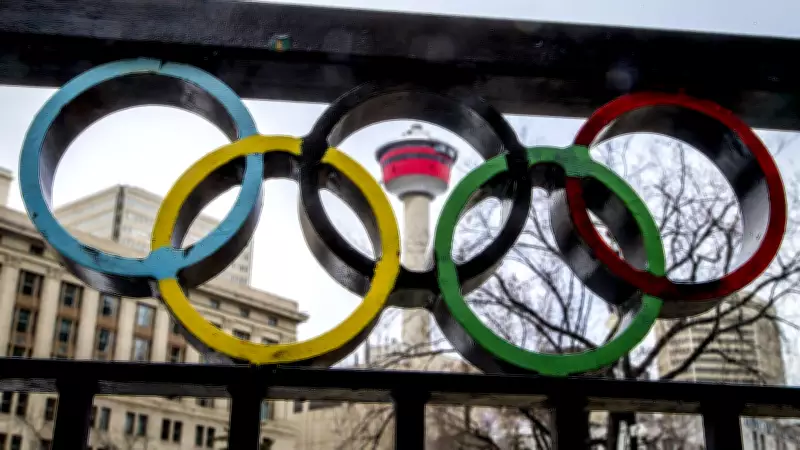
Calgary's Olympic Crossroads: The 2026 Bid That Never Was
Imagine a Calgary transformed by the 2026 Winter Olympic Games. Picture Scott Hutcheson driving past newly constructed high-rise buildings on his way to the Calgary Public Library, the streets bustling with international visitors arriving for the global spectacle. Envision Mary Moran gliding across freshly renovated ice at the Olympic Oval, renowned as the world's fastest skating surface. This alternate reality nearly came to pass, but in 2018, Calgary electors chose a different path through a decisive plebiscite.
The Vision of Olympic Renewal
For proponents like Hutcheson, former chair of the Calgary 2026 Bid Corporation, and Moran, the bid's CEO, hosting the Games represented more than just sporting events. They envisioned a city revitalized by national pride and international attention, echoing the transformative energy of the 1988 Olympics that first put Calgary on the global map. The bid book detailed ambitious plans including refurbished McMahon Stadium with 40,000 additional seats, a multi-sport complex, a community arena, and four athlete villages in Calgary, Canmore, Kananaskis and Whistler that would convert to long-term housing.
The financial framework proposed $390 million from the city, $3 million from Canmore, $700 million from the province, and $1.45 billion from the federal government, with remaining costs covered through Games revenues. A billion-dollar contingency fund addressed potential inflation and labor cost increases, representing approximately 20 percent of the total budget.

The Economic Context and Timing Challenges
The 2018 plebiscite occurred during particularly challenging economic conditions for Calgary. The city faced 11 percent unemployment, $23 oil prices, and 40 percent office vacancy rates. Moran described a population primarily concerned with putting food on the table rather than contemplating Olympic grandeur. The bid committee operated under severe time constraints, with only four months to develop a comprehensive bid book, distill its contents for public consumption, and promote the Games' benefits before the November vote.
Hutcheson noted the particular difficulty of using plebiscites for complex issues: "In Calgary, a plebiscite works really well with simple questions. If you use a plebiscite for a complicated issue, you can predict a no." Historical data supported this observation, with only three previous city votes on Olympic hosting resulting in affirmative decisions.
The Opposition's Concerns
Erin Waite, spokesperson for the No-bid campaign, and Dan Gauld, an IT project manager who helped organize opposition, raised significant concerns about financial risks and opportunity costs. They pointed to consistent patterns of Olympic cost overruns, with a 2024 University of Oxford study showing that since 1960, hosting costs typically tripled initial bid prices. Security expenses represented particular vulnerabilities, having ballooned from $175 million to over $1 billion for the 2010 Vancouver Olympics.
Waite emphasized contractual realities: "Contractually, all cost overruns are borne by the host city and its local or national government. We would likely have the provincial government and the federal government bail out the city." She questioned whether Olympic preparations would have diverted attention from pressing municipal priorities like addressing downtown vacancy rates, unemployment, and infrastructure needs.
The Vote and Its Aftermath
When 252,942 Calgarians cast their ballots on November 13, 2018, 56 percent voted against pursuing the Olympic bid, while 46 percent supported it. The decision reflected deep divisions about the city's priorities during economic uncertainty. Moran believed timing significantly impacted the outcome: "We needed more time. If we put the plebiscite out to January or February, I think we would have been more successful in trying to inform citizens."

In the six years since the vote, Calgary has pursued alternative development strategies, including expanding Arts Common spaces, incentivizing office-to-residential conversions, building post-secondary campuses, and fostering tech startup incubators. Meanwhile, many sports facilities face operational challenges, with WinSport Canada closing sliding tracks and ski jumps, and the Olympic Oval's ice production system nearing end-of-life status.
Alternative Realities Considered
Proponents argue Calgary missed opportunities for federal infrastructure investments similar to Vancouver's Sea-to-Sky Highway improvements before the 2010 Games. They envision potential light rail expansions and thousands of affordable housing units converted from athlete villages. Hutcheson reflected: "If we delivered thousands of residential units in the bid package being paid for by Games-related funding, we would have had thousands of extra units for low-income housing today."
Opponents maintain the city avoided significant financial risks and maintained focus on core municipal needs. Gauld summarized: "It would have been a great party, but we would have been saddled with a lot of debt." Both sides acknowledge the other's perspective, with proponents understanding economic concerns and opponents recognizing the bid committee's genuine efforts.
Looking Forward
As Calgary continues evolving, the Olympic question remains part of the city's identity conversation. Hutcheson maintains optimism about future possibilities: "There is a real opportunity in the future for Calgary to put its hand up and host another Games. And I think Calgary will." The 2026 bid debate ultimately revealed deeper questions about Calgary's vision for itself—whether to seek global spotlight through mega-events or build sustainable prosperity through incremental, homegrown development.
The legacy of the 2018 decision continues shaping Calgary's approach to major projects, risk assessment, and community engagement, serving as a case study in democratic decision-making about urban futures.