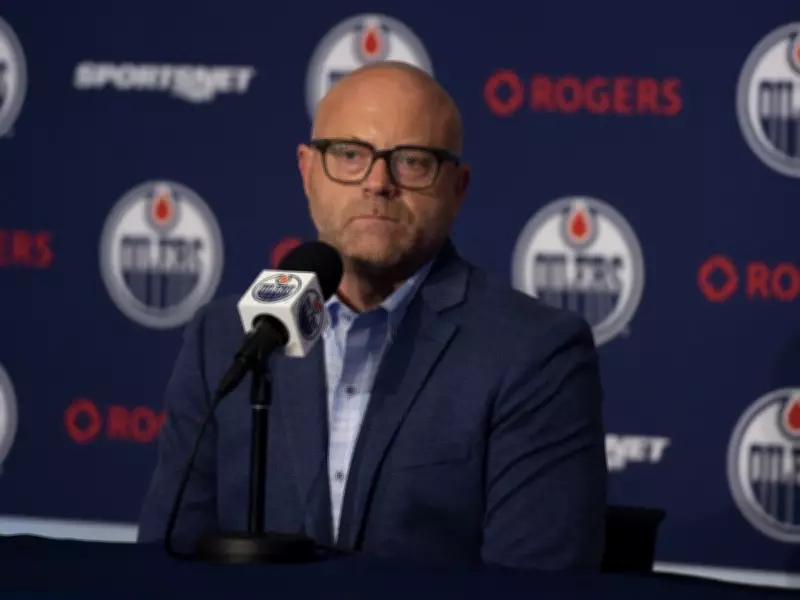
With the NHL trade deadline looming on March 6, Edmonton Oilers General Manager Stan Bowman is engaged in a delicate balancing act, maneuvering through severe salary cap constraints to bolster a roster built around superstars Connor McDavid and Leon Draisaitl. Fresh off celebrating Team USA's gold medal victory at the Milan Olympics as part of Bill Guerin's management team, Bowman's focus has sharply returned to the pressing task of reshaping the Oilers' lineup for a championship push.
Cap Space Challenges in a Win-Now Window
The patience within Oilers Nation is wearing thin as the team's window to win with core players like McDavid, Draisaitl, and veteran wingers Zach Hyman and Ryan Nugent-Hopkins remains open but constrained. Bowman operates with virtually no cap room, a situation compounded by an aging defense corps that requires immediate attention. The financial gymnastics necessary to make meaningful additions are complex, with every dollar scrutinized under the league's salary cap structure.
Defensive and Offensive Needs Identified
Bowman has pinpointed specific areas for improvement, primarily seeking a top-four, right-shot defenseman to pair with Darnell Nurse. Such a move would allow Jake Walman to shift into Brett Kulak's slot as a left-shot defenseman alongside Ty Emberson on another pairing. Additionally, the Oilers could benefit from a third-line center with more offensive capability than current option Adam Henrique, who was recently activated off long-term injured reserve after an undisclosed injury, possibly a broken hand.

Recent roster adjustments, including sending Matt Savoie and his $847,000 average annual value to the AHL's Bakersfield Condors, have provided minimal cap relief. This maneuver allowed the Oilers to accrue just enough space to recall Savoie for upcoming games, leaving them with only a few thousand dollars in cap flexibility. With winger Kasperi Kapanen injured and defenseman Alec Regula on a conditioning stint in Bakersfield still counting against the cap, Bowman's options are severely limited.
Financial Maneuvering and Roster Decisions
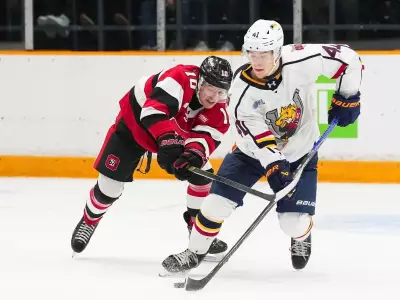
Further complicating matters is the potential recall of forward Josh Samanski from the AHL. Samanski impressed during the Olympics, playing alongside Draisaitl for Germany and showing flashes of NHL readiness in his five games with Edmonton earlier this season. However, bringing him back would necessitate either sending another player down to Bakersfield or executing a trade, adding another layer to Bowman's financial puzzle.
The Andrew Mangiapane Dilemma
One of Bowman's most pressing challenges is finding a way to move underperforming free-agent signing Andrew Mangiapane, who carries a two-year, $3.6 million average annual value contract. Despite efforts over the past six weeks, no team has expressed interest in acquiring Mangiapane, who was a healthy scratch for half of January's games. To facilitate a trade, Bowman may need to include a draft pick sweetener, such as a third-round selection in the 2026 draft, or accept a lesser bad contract in return—neither option being particularly appealing.
Mangiapane's situation draws parallels to Jeff Skinner's struggles last season, where he failed to secure a defined role outside the top six. Alternatively, Bowman might explore trading fourth-line winger Mattias Janmark, who has a $1.45 million average annual value contract through next season. Janmark has been a reliable penalty-killer and defensive asset over four years with the Oilers, but his offensive production is minimal, with just seven goals on 272 shots over the past three seasons.
Strategic Implications for the Oilers
As the trade deadline approaches, Bowman's ability to pull off these financial gymnastics will be critical. The Oilers' success hinges on maximizing the prime years of McDavid and Draisaitl, and any misstep in cap management could jeopardize their championship aspirations. With limited resources and high stakes, Bowman's decisions in the coming days will define the team's trajectory for the remainder of the season and beyond.