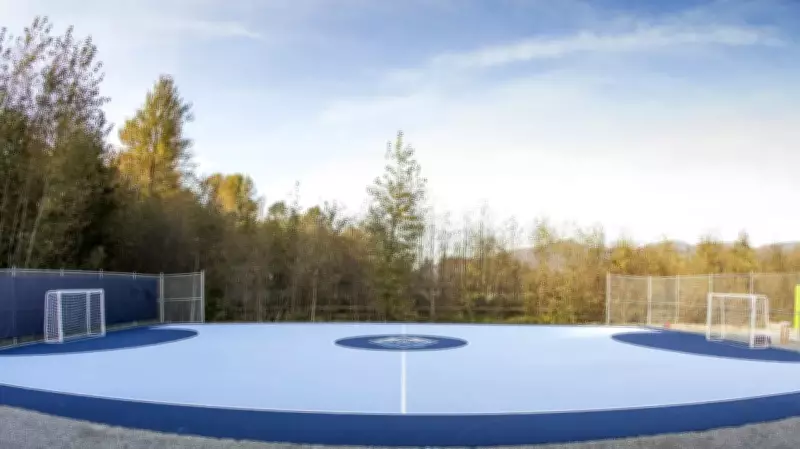
The British Columbia government has announced a significant investment in community sports infrastructure, committing funds to build 20 new mini soccer pitches across the province. This initiative is part of a broader legacy project connected to the 2026 FIFA World Cup, which will be hosted in cities across North America, including Vancouver.
Partnership with Vancouver Whitecaps and viaSport
The project is a collaborative effort involving the provincial government, the Vancouver Whitecaps FC professional soccer club, and viaSport, a provincial organization dedicated to promoting sport and physical activity. The mini pitches, which are smaller, accessible fields designed for informal play and training, aim to make soccer more available to youth and communities, particularly in underserved areas.
Boosting Youth Participation and Accessibility
By installing these pitches, the partners hope to increase participation in soccer among children and teenagers, fostering physical health and community engagement. The mini format allows for flexible use in urban settings where space is limited, making it easier for schools, parks, and neighborhoods to host games and practices.

This investment aligns with the World Cup's legacy goals, which often include leaving behind improved sports facilities and programs to inspire future generations. The 2026 tournament is expected to draw global attention, and British Columbia is leveraging this opportunity to enhance its local sports landscape.
Economic and Social Benefits
Beyond sports, the project is anticipated to deliver economic benefits through construction jobs and increased activity in communities. Socially, it promotes inclusivity by providing free or low-cost access to soccer, helping to reduce barriers for low-income families and encouraging diverse participation.
The announcement was made by provincial officials, who emphasized the importance of such initiatives in building healthier, more active communities. Details on specific locations and timelines for the mini pitches are expected to be released in the coming months, as planning and consultations with local authorities progress.
This move reflects a growing trend in using major sporting events as catalysts for long-term community development, ensuring that the excitement of the World Cup translates into tangible benefits for residents long after the final whistle blows.