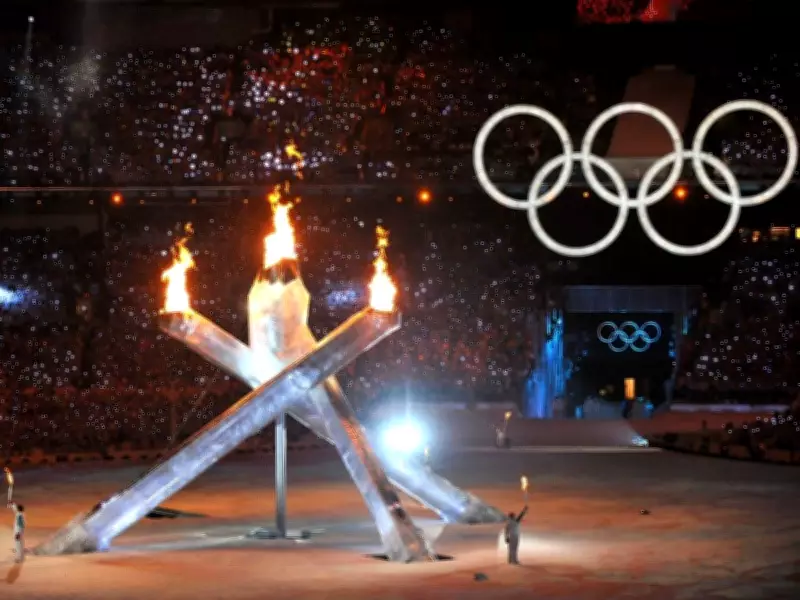
Reflections on the 2010 Vancouver Olympics: Unity and Triumph in Canadian Sports History
As the global spotlight turns to Milan-Cortina for the 25th Olympic and Paralympic Winter Games, with Team Canada capturing hearts and attention, we are transported back to February 12, 2010. That was when the world descended upon Vancouver and Whistler, marking the beginning of an unforgettable chapter in Canadian sports history.
A Games of History and Heart
The 2010 Vancouver Olympics were a profound blend of historical significance and emotional depth from start to finish. The Games opened with a tragic and heartbreaking moment as Georgian luger Nodar Kumaritashvili lost his life on opening ceremonies day. This somber start gave way to a magical conclusion, with the event unfolding as a blockbuster of human drama. Athletes showcased heroic efforts against challenging elements, including scarce snow on Cypress Mountain, creating a narrative of resilience and determination.
The Golden Goal and National Celebration
On February 28, during overtime in a packed and electrified arena, Sidney Crosby scored the now-legendary Golden Goal against Team USA. This moment, broadcast to the largest live television audience in Canada's history, secured Canada's record-breaking 14th gold medal—the most ever by any nation at a Winter Olympics. The 3-2 victory sparked an immediate and nationwide celebration, with hundreds of thousands taking to the streets in cities and towns from coast to coast. It felt as though every Canadian was on the ice, a hand on Crosby's stick, sharing in the triumph. For a shining moment, the nation stood united as champions, embodying a collective pride and joy.

Preparation and Volunteer Spirit
This success was no accident; it was the culmination of meticulous planning and unwavering dedication. Team Canada's athletes arrived in Vancouver fully prepared, exuding confidence, energy, and hope. They were ready to perform at their peak, driven by a sense that anything was possible. Supporting them were thousands of Blue Jacket volunteers who gave their all to ensure perfect conditions, showcasing the spirit of community and commitment that defined the Games.
The Power of Canadian Unity
The greatness of the 2010 Olympics was not merely measured by organizational prowess, overcoming adversity, or medal counts. It was amplified by Canadians across the country who took to the streets, lifting each other up with energy, warmth, generosity, compassion, and pride. Every individual acted as an ambassador, leaving a lasting mark on Vancouver 2010. This collective effort, embraced as a national duty, demonstrated what can be achieved when Canadians come together, holding hands and sticking as one.
Legacy and Infrastructure Impact
Much has been said and predicted about the 2010 Games, which was no simple undertaking. It required the concerted effort of the entire nation to succeed. The Games Region extended like a warm blanket from Richmond through Vancouver and along a stunning new highway to Whistler, encompassing hundreds of sites, sport venues, a magnificent Olympic and Paralympic Village, numerous Pavilions, and Celebration Zones. Even YVR received a makeover, and the Canada Line made its debut, transforming transportation. Whether embraced or not, the impact was undeniable—British Columbia and all of Canada beamed with pride under the world's watchful eye, exuding a distinct Canadian swagger.
As we cheer on athletes in Milan-Cortina, the legacy of the 2010 Vancouver Olympics serves as a powerful reminder of what unity and determination can accomplish on the global stage.