Spanish Figure Skater's 'Minions' Program Halted by Copyright Restrictions
A Spanish figure skater has publicly disclosed that her intended performance set to music from the popular Minions franchise was prohibited due to stringent copyright regulations. This incident underscores the complex interplay between intellectual property law and artistic expression in competitive sports, where athletes often seek to incorporate recognizable themes to enhance their routines and connect with audiences.
Copyright Challenges in Figure Skating
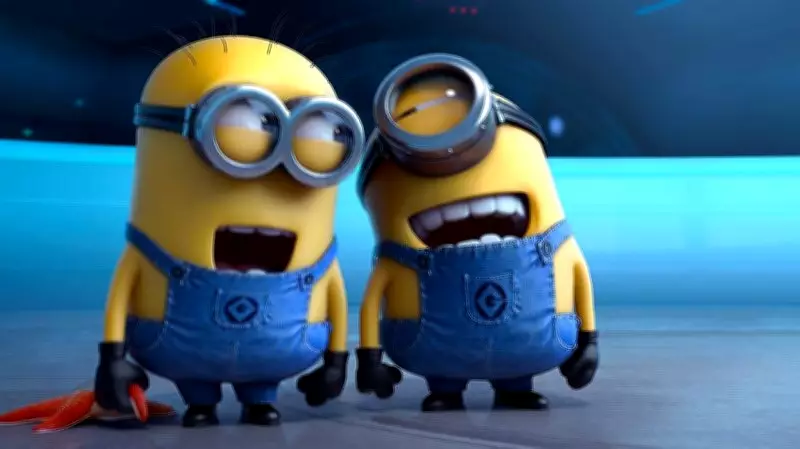
The skater, whose identity has not been fully disclosed in initial reports, planned to use music from Universal Pictures' Despicable Me series, which features the iconic Minions characters. However, copyright holders enforced restrictions that barred the use of this music in a competitive setting. This situation is not uncommon in figure skating, where skaters must navigate licensing agreements and permissions to avoid legal repercussions, potentially limiting creative choices.
Figure skating routines frequently rely on music to convey emotion and narrative, making copyright issues a significant concern for athletes and coaches. The International Skating Union (ISU) and other governing bodies have guidelines in place, but enforcement can vary, leading to last-minute changes that disrupt training and performance strategies.

Broader Implications for Athletes and Events
This case highlights a broader trend in sports where copyright disputes can impact event planning and athlete preparation. Similar issues have arisen in other disciplines, such as gymnastics and dance, where music selection is integral to performance. The incident raises questions about:
- The balance between copyright protection and fair use in sports contexts.
- The need for clearer licensing frameworks for athletic competitions.
- How athletes can adapt when faced with unexpected legal barriers.
As sports continue to evolve with media and entertainment, such conflicts may become more frequent, prompting calls for streamlined processes to handle intellectual property in competitive environments.
Conclusion and Future Outlook
While the skater has had to alter her program, this event serves as a reminder of the legal intricacies involved in modern sports. It may encourage discussions among stakeholders, including rights holders, sports organizations, and athletes, to develop more flexible solutions that support creativity while respecting copyright laws. For now, skaters and their teams must remain vigilant in securing permissions well in advance to avoid similar disruptions.