The Hidden Pain of Figure Skating: Why Olympic Athletes Master the Art of Masking Injuries
In the world of competitive sports, different disciplines cultivate distinct cultures around injury and pain. While hockey players are often celebrated and lionized for playing through injuries, Olympic figure skaters face a completely different set of expectations and pressures. As athletes prepare for the 2026 Milan-Cortina Winter Olympics, many are revealing how they're specifically trained to conceal their aches and pains behind flawless performances.
The Duality of Performance and Pain
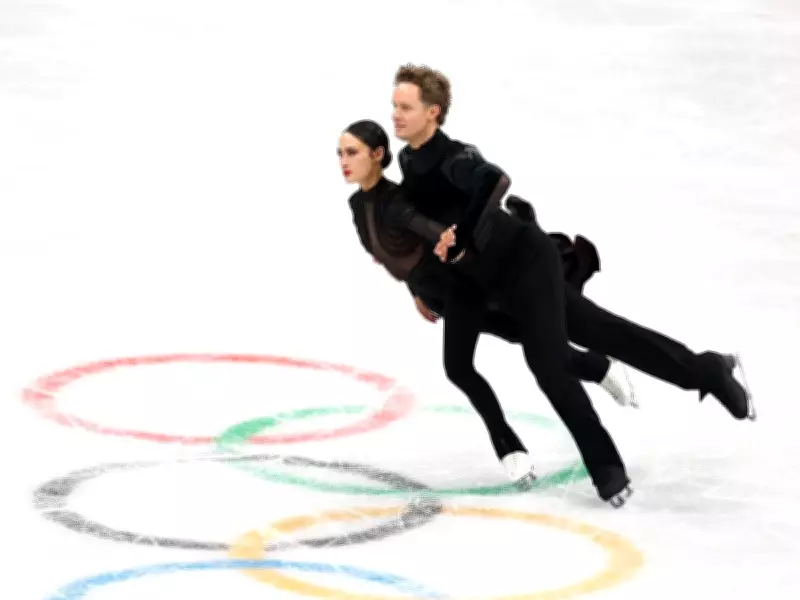
American ice dancer Evan Bates, now 36 years old and preparing for what could be his fifth Olympic appearance, has been skating competitively for over two decades. His Olympic journey began with a memorable debut at the 2010 Vancouver Games, but that longevity has come at a physical cost.
"I've been dealing with back and neck issues for years," Bates revealed during training sessions in Milan. "It's mileage on the body." Despite these chronic issues, spectators watching Bates perform with his longtime partner Madison Chock would never suspect his medical struggles. On the ice, he presents as the picture of athletic perfection—bright-eyed, smiling, and executing complex lifts, jumps, and throws with apparent ease.

This ability to mask pain represents a fundamental aspect of figure skating culture. Unlike contact sports where visible injury can become part of an athlete's narrative, skaters are trained to keep every wince and groan locked behind fresh makeup, carefully coiled hair, and a consistently flashy smile.
The Canadian Perspective: Injuries Behind the Scenes
The Canadian figure skating contingent provides compelling examples of how injuries impact Olympic preparations. Deanna Stellato-Dudek, who was set to represent Canada in ice dancing with partner Maxime Deschamps, suffered an injury during practice in Quebec that prevented her from traveling to Milan in time for the team event.
Skate Canada and the Canadian Olympic Committee have maintained discretion regarding the nature and severity of Stellato-Dudek's injury, stating only that her condition is being assessed daily. The pair have not yet withdrawn from the individual pairs event scheduled for the following week, highlighting the delicate balance between injury management and competitive opportunity.
Canadian men's singles skater Stephen Gogolev offered insight into competing with significant injuries, recalling a particularly challenging experience. "Stress fracture in my lumbar spine," Gogolev described, noting that such injuries commonly result from repetitive high-impact movements like backward bending and twisting that place substantial load on the lower back.
Despite this serious condition, Gogolev took to the ice at a national competition in 2024. "It was a little concerning to be skating with that much pain," he admitted. "It wasn't so much about skating but about getting to the end of the program." The experience ultimately required him to withdraw from the remainder of the season to focus on physical recovery.
The Psychological and Competitive Realities
Gogolev expressed a wish that the public could better appreciate "how much work goes into training and preparing for these competitions"—encompassing not just physical strain but also "the mental stress, pressure, physical stress you go through to get to competitions like these."
This perspective is echoed by Jackie Wong, a longtime figure skating analyst and blogger based in New York. Wong notes a crucial distinction between how injuries affect scoring in different sports: "There's no injury bonus. If you're injured as a hockey player and you score a goal, you're scoring a goal. If you're injured as a figure skater and you go up and do a jump and you don't land it because you're injured, then you're not going to get the points for it."
This scoring reality creates additional pressure for injured skaters, who often deliver what Wong describes as "suboptimal or 'conservative' performances" to avoid exacerbating their injuries while still attempting to maximize their scores.

The Cultural Divide in Sports Injury Perception
The contrast between how different sports cultures approach injury reveals much about their respective values and spectator expectations. Hockey's celebration of playing through pain aligns with narratives of toughness and sacrifice, while figure skating's emphasis on concealing injury supports ideals of grace, perfection, and artistic expression.
As Bates observed, "So many athletes go out on centre ice and put on a strength that maybe fans don't see." This hidden strength—the ability to perform flawlessly while managing significant physical discomfort—represents an underappreciated aspect of figure skating athleticism.
With the 2026 Milan-Cortina Olympics approaching, these discussions about pain management, injury concealment, and the psychological demands of elite figure skating are becoming increasingly relevant. The athletes preparing for these games must balance brutal physical realities with delicate artistic presentations, maintaining their competitive edge while protecting their long-term health in a sport that offers little accommodation for visible weakness.