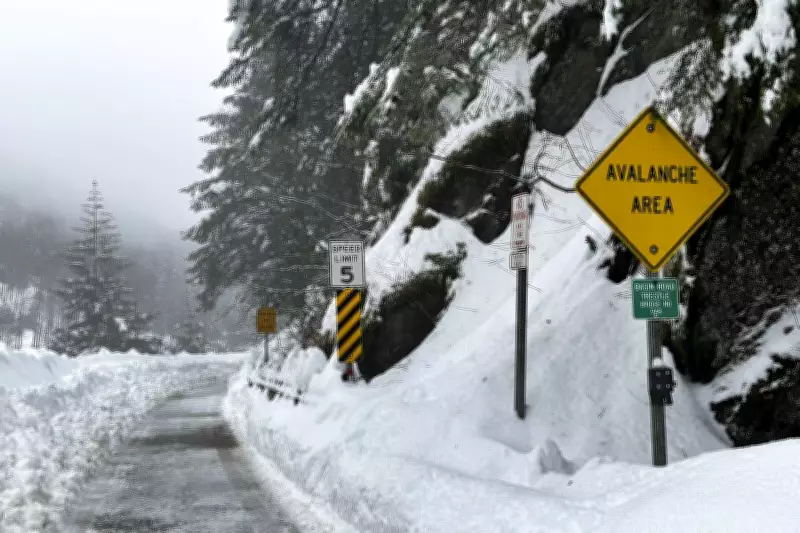
WorkSafeBC Urges Avalanche Safety After Four Skiers Killed in British Columbia
In the wake of a devastating series of incidents that claimed the lives of four skiers, WorkSafeBC has issued an urgent call for enhanced avalanche safety measures across British Columbia. The provincial workplace safety authority is emphasizing the critical importance of proper training, equipment, and risk assessment for anyone venturing into backcountry skiing terrain.
Recent Tragedies Highlight Mounting Concerns
The push for improved safety protocols comes as authorities investigate multiple fatal avalanches that have occurred in remote mountainous regions of the province. These tragic events have underscored the unpredictable and dangerous nature of backcountry conditions, particularly during periods of significant snowfall and temperature fluctuations.
WorkSafeBC officials stress that avalanche safety is not merely a recommendation but a fundamental requirement for survival in high-risk environments. The organization points to data showing that the majority of avalanche fatalities involve experienced outdoor enthusiasts who may have underestimated changing conditions or overlooked critical safety checks.

Essential Safety Measures for Backcountry Enthusiasts
WorkSafeBC recommends that all backcountry skiers, snowboarders, and mountaineers adhere to the following safety protocols:
- Complete comprehensive avalanche safety training from certified instructors
- Carry and know how to use essential rescue equipment including transceivers, probes, and shovels
- Check daily avalanche forecasts from Avalanche Canada before any backcountry excursion
- Travel with experienced partners and establish clear communication plans
- Avoid steep slopes during periods of high avalanche danger
The recent fatalities serve as a sobering reminder that even the most prepared individuals can fall victim to sudden avalanche activity, according to safety experts. WorkSafeBC is collaborating with avalanche forecasters, search and rescue organizations, and outdoor education providers to develop more effective public awareness campaigns.
Broader Implications for Workplace Safety Standards
While WorkSafeBC's primary mandate involves workplace safety, the organization notes that many British Columbians engage in backcountry activities as part of their employment in guiding, tourism, or resource extraction industries. The safety recommendations therefore extend to professional contexts where workers may be exposed to avalanche hazards.
The provincial government is considering whether to implement more stringent regulations for commercial backcountry operations, potentially including mandatory safety equipment requirements and specialized training certifications for guides and outdoor educators.
As winter conditions persist in British Columbia's mountain ranges, WorkSafeBC urges all backcountry users to prioritize safety above all other considerations. The organization reminds enthusiasts that the mountains will always be there another day, but taking unnecessary risks can have irreversible consequences for individuals, families, and communities across the province.