Swiss Nationals Among Four Killed in Separate Avalanches in Northern British Columbia
The Swiss consulate has confirmed that three of the four individuals killed in two separate avalanches in northwest British Columbia were Swiss nationals. The tragic incidents occurred in remote backcountry areas, prompting urgent warnings from authorities about hazardous conditions.
Details of the Avalanche Incidents
According to reports, the fatalities resulted from two distinct avalanche events in northern B.C. The Swiss consulate identified three of the deceased as their citizens, though specific names and details have not been publicly released pending notification of families. All victims were engaged in heli-skiing, a popular but high-risk activity that involves accessing remote ski terrain via helicopter.
Emergency responders and search teams were deployed to the sites, but recovery efforts were complicated by the remote locations and ongoing avalanche risks. The exact circumstances leading to the avalanches are under investigation, with preliminary assessments pointing to unstable snowpack conditions exacerbated by recent weather patterns.

Warnings Issued for Backcountry Users
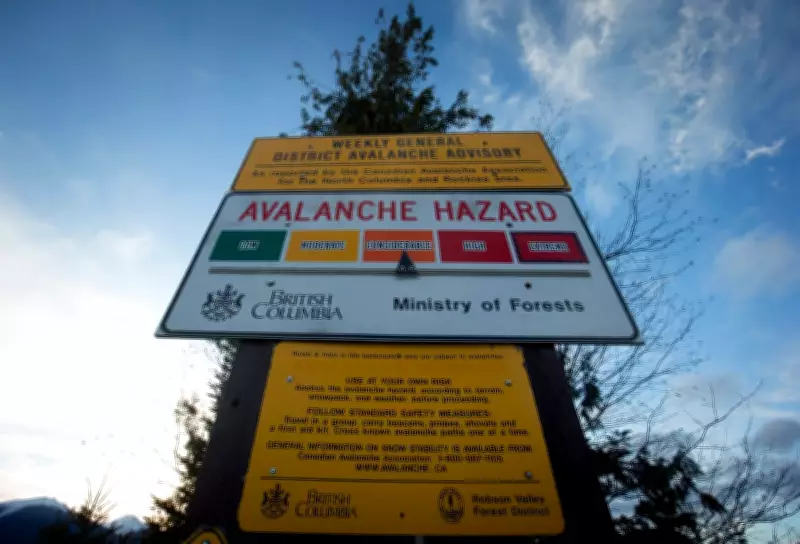
In response to these tragedies, Canadian authorities and avalanche safety organizations have issued stark warnings to backcountry users across British Columbia. The Avalanche Canada forecast center has highlighted elevated danger ratings for many regions, citing factors such as heavy snowfall, wind loading, and temperature fluctuations that create precarious layers in the snowpack.
Experts emphasize that even experienced adventurers can be caught off guard by sudden avalanches, particularly in terrain accessed via helicopter where conditions may change rapidly. Recommendations include checking daily avalanche forecasts, carrying essential safety gear like transceivers and probes, and avoiding high-risk slopes during periods of instability.
Broader Context of Avalanche Safety
These deaths add to a concerning trend of avalanche fatalities in Canada, which often peak during the winter months. British Columbia, with its vast mountainous regions, typically records the highest number of such incidents nationally. Data from previous years shows that human-triggered avalanches are a leading cause of death in backcountry recreation, underscoring the need for heightened awareness and preparedness.
The Swiss consulate is providing support to the families of the victims and coordinating with local authorities, while the broader heli-skiing and outdoor communities mourn the loss. Industry operators are reviewing safety protocols, though no immediate changes to regulations have been announced.
As investigations continue, the incidents serve as a somber reminder of the inherent dangers in wilderness sports and the critical importance of adhering to safety guidelines in unpredictable environments.