Curling's Hidden Value: Building Social Fitness Beyond Olympic Medals
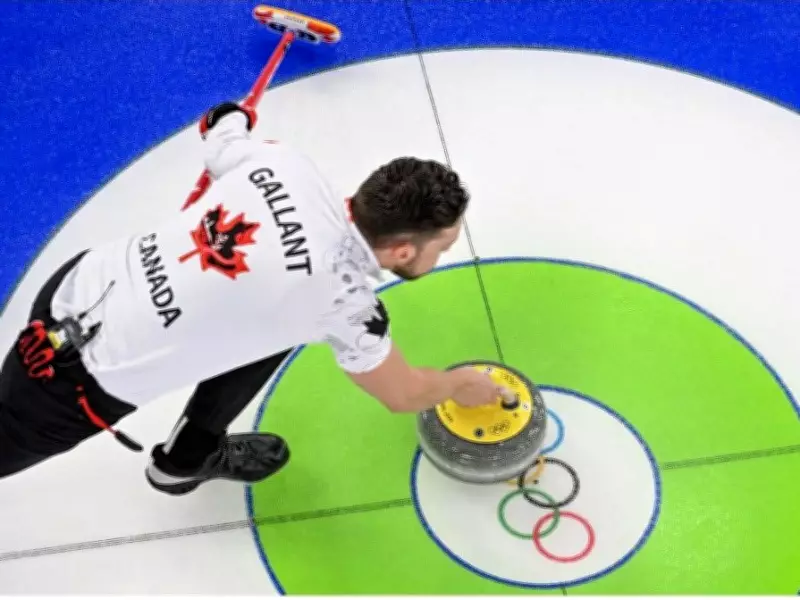
As the Winter Olympics unfold in Italy, curling has once again emerged as one of the most-watched and celebrated events. For a brief but intense period, this captivating sport becomes a shared national reference point, uniting viewers across Canada and beyond. However, while Olympic success is traditionally measured in medals and podium finishes, the true contribution of curling extends far beyond these competitive achievements.
The Social Infrastructure of Curling
Curling supports what researchers call social fitness – the capacity to build, sustain, and renew meaningful social connections over time. At a moment when governments and health systems are scrambling to address growing isolation and loneliness, curling demonstrates how everyday institutions that organize people's time, expectations, and care for one another can create powerful social bonds.
Research consistently shows that curling facilities function as vital social infrastructure, constructed from relationships, routines, and shared responsibility. Social fitness develops in environments that actively sustain connection, and curling clubs provide exactly this through their unique structure.

Weekly Rituals and Repeated Encounters
Curling facilities rely on repeated, in-person participation, typically occurring weekly and spanning many years. Participants return to the same physical space and encounter others who differ in:
- Age and generation
- Physical ability and experience level
- Background and life circumstances
- Professional and personal histories
These repeated encounters gradually create familiarity, trust, and a genuine sense of being known within the community. The sport's structure reinforces this relational work through unique features that encourage social cohesion.
Self-Governance and Shared Responsibility
Curling operates with distinctive norms that foster community building. Players call their own infractions, acknowledge mistakes openly, and resolve disputes collectively, often without requiring official intervention. This means curlers regularly practice:
- Shared norms of fairness and sportsmanship
- Personal accountability and honesty
- Informal self-governance and conflict resolution
These features have become increasingly rare in modern competitive sports, making curling's approach particularly valuable for social development.
Changing Patterns of Participation
How people enter curling has evolved significantly over time. Where participation once followed traditional family lines – "I curl because my parents curled" – contemporary curlers increasingly join because someone invited them. This shift highlights how belonging in curling depends less on athletic excellence than on consistent participation and contribution to shared experiences.
In this way, curling functions as a social technology that actively builds social fitness rather than assuming it already exists within participants. The sport creates the conditions for connection to develop organically through regular engagement.
The Invisible Labor of Community Building
None of this social infrastructure develops without dedicated work. Curling clubs depend heavily on volunteers who perform often invisible labor that makes participation possible for everyone. Through this essential work, volunteers develop:
- Leadership skills and organizational capabilities
- Relational competence and interpersonal awareness
- Community stewardship that extends well beyond the club
Much of this social infrastructure has historically been maintained by women, who have long served as the architects and carriers of curling culture. They sustain participation by remembering names and personal stories, noticing who has been absent, and modeling care alongside competition.
As curling continues to capture national attention during Olympic cycles, its deeper value as social infrastructure deserves recognition. Beyond the medals and competitive achievements, curling builds the social fitness that communities need to thrive in an increasingly disconnected world.