The Toronto Raptors find themselves in a familiar, yet precarious, position as the NBA season approaches its midway point. Sporting a solid 16-11 record, the team sits in the thick of a highly competitive Eastern Conference, where the Detroit Pistons and New York Knicks have established themselves as the early elite. For the Raptors, consistency has been elusive, with their standing prone to significant swings based on nightly results.
The Case for a Roster-Shaking Trade
The Raptors' current construction appears to have a clear ceiling. Despite a nine-game winning streak earlier in the season, largely built against a softer schedule, the team's flaws become evident against more physical and talented opponents. The path to elevating from a playoff participant to a genuine threat in the East likely runs through the trade market. Ideally, the front office would engineer a move that addresses two critical needs: adding size in the frontcourt and acquiring a reliable shooter. Securing both would significantly bolster their chances of securing a coveted top-four seed.
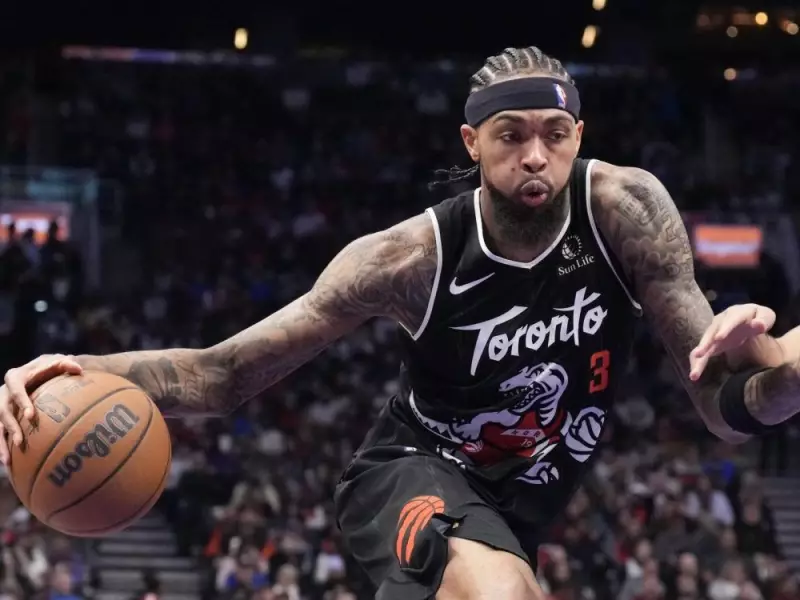
Without a meaningful transaction, the Raptors risk settling for a play-in tournament spot. The team's trade assets, however, present a complex puzzle. Most observers agree that core pieces Brandon Ingram and Scottie Barnes should be considered untouchable, which leaves the cupboard relatively bare for constructing a major deal. The clock is ticking for management to make a decisive move.

Five Pressing Questions for Toronto's Season
As the league prepares for its marquee Christmas Day games, several unresolved issues define the Raptors' campaign.
1. Is Brandon Ingram Carrying Too Heavy a Load?
Ingram has been everything the Raptors hoped for when they acquired him, playing in every game and serving as the team's primary scorer and most versatile offensive creator. The issue is the staggering burden placed on his shoulders. He is often the only player capable of reliably creating his own shot against a set defence. Scottie Barnes has been effective but has offensive limitations, while Immanuel Quickley's game is less potent in half-court settings. The lack of a consistent secondary creator to alleviate pressure on Ingram is a glaring concern for long-term success.
2. What is the Optimal Role for RJ Barrett?
As Barrett nears a return from a knee injury, a strong case can be made for bringing him off the bench. In the modern NBA, closing lineups often matter more than starting fives. Toronto's second unit has been a persistent weakness, lacking both quality and experience. Inserting Barrett as a sixth man would immediately bolster that group. The strategy has often been to keep either Barnes or Ingram on the floor with the reserves; adding Barrett to that mix provides another seasoned, scoring option and could stabilize the team's performance when starters rest.
3. Why is Jakob Poeltl's Offensive Role Shrinking?
One straightforward way to ease Ingram's offensive burden is to involve centre Jakob Poeltl more consistently. Despite battling lower back issues, Poeltl is the team's only true traditional big man and has proven irreplaceable. Yet, his offensive involvement has been minimal—he has attempted 10 or more shots only twice all season. During a recent win in Miami that snapped a four-game skid, he had as many turnovers (4) as field goals. The team must run more offence through him in the post, which may require giving Scottie Barnes more playmaking duties in half-court sets, as he is arguably the team's best passer.
4. Will the Front Office Finally Pull the Trigger?
This remains the million-dollar question. While dreaming of acquiring superstars like Anthony Davis or Giannis Antetokounmpo may be far-fetched, the reality is that this roster has clear limitations. Other Eastern Conference rivals, such as Miami with a healthy Tyler Herro, Cleveland, and Philadelphia, are poised to improve as they get healthier. Standing pat could see the Raptors get passed by. A trade is not just an option; it appears to be a necessity to avoid a mid-season plateau.
5. How Good Are the Raptors, Really?

The jury is still out. Their 16-11 record, with an even 8-8 split at home and on the road, is respectable. However, their toughness has been questioned when facing more physical teams. An upcoming stretch of games, including a Saturday showdown with the Boston Celtics in Toronto, will provide a clearer litmus test. Regardless of short-term results, it has become obvious this group, as currently constructed, is not on the same level as the NBA's true championship contenders. Credit is due for capitalizing on a favourable schedule, but the ultimate test of their legitimacy is yet to come.
The coming weeks will be critical for the Raptors' direction this season. Management's decisions at the trade deadline will signal whether the goal is mere playoff participation or a serious push into the Eastern Conference's upper echelon.