As the winter of 2025 deepens, Winnipeg confronts a persistent and visible challenge: the homelessness crisis. The journey from makeshift encampments to secure housing is complex, but dedicated community organizations are on the front lines, working to create tangible change for the city's most vulnerable residents.
The Frontline Effort: Outreach and Community Support
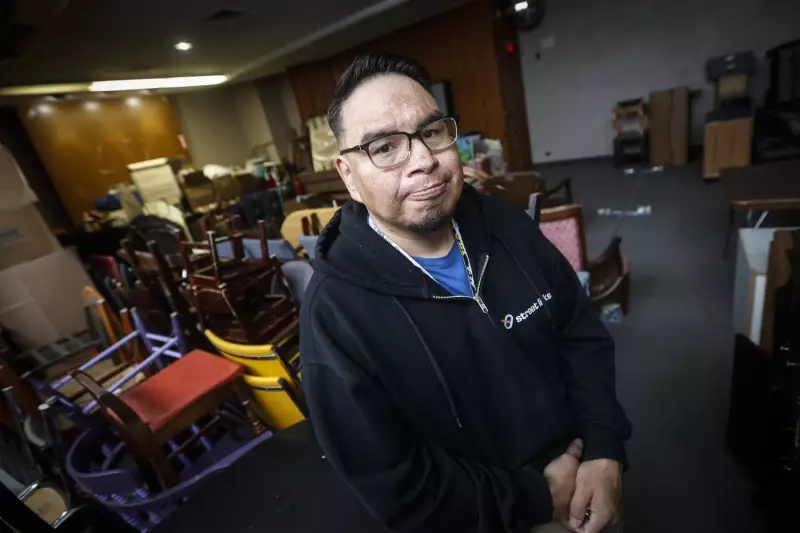
At the heart of this effort are individuals like Claudemier Bighetty, an outreach and community support worker with St. Boniface Street Links. In mid-December 2025, Bighetty was photographed in the organization's furniture supply room, a hub for resources aimed at helping people establish homes. This facility represents a critical step beyond emergency shelter, providing the essentials needed to turn an empty apartment into a functional and dignified living space.
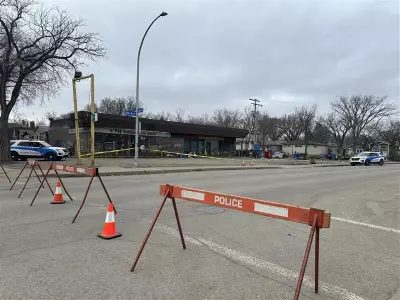
The work involves constant, direct engagement. Outreach teams connect with individuals living in encampments across Winnipeg, building trust and offering a pathway out of the cycle of homelessness. The goal is not just to clear tents, but to provide sustainable, long-term housing solutions coupled with the necessary support services.

Addressing a Systemic Crisis
Winnipeg's homelessness situation mirrors struggles seen in cities across Canada, driven by a confluence of factors including rising living costs, a shortage of affordable housing, and mental health and addiction challenges. Encampments have become a stark symbol of this systemic failure, highlighting the urgent need for coordinated action between municipal agencies, provincial bodies, and non-profit organizations.
The approach observed in late 2025 emphasizes "housing first" principles, recognizing that stability in housing is a prerequisite for addressing other issues like health concerns or finding employment. Initiatives focus on creating more supportive housing units and streamlining access to existing programs, aiming to shorten the difficult transition from the street to a permanent address.
A Community-Powered Response
Organizations like St. Boniface Street Links operate as vital connectors. They bridge the gap between individuals in crisis and the often-complex web of social services. Their work, documented on Friday, December 19, 2025, involves practical aid—from securing a bed and table to advocating for clients with landlords and government agencies.
This model underscores that solving homelessness requires more than just available apartments; it demands a wraparound support system. Success stories are built one person at a time, through persistent outreach, material aid, and compassionate follow-up. The furniture room is a tangible testament to this philosophy, stocked not with charity, but with the tools for a new beginning.
As Winnipeg moves forward, the lessons from these grassroots efforts are clear. Lasting solutions to the homelessness crisis depend on sustained funding, increased affordable housing stock, and a continued commitment to the person-centred, community-driven work exemplified by frontline workers across the city.