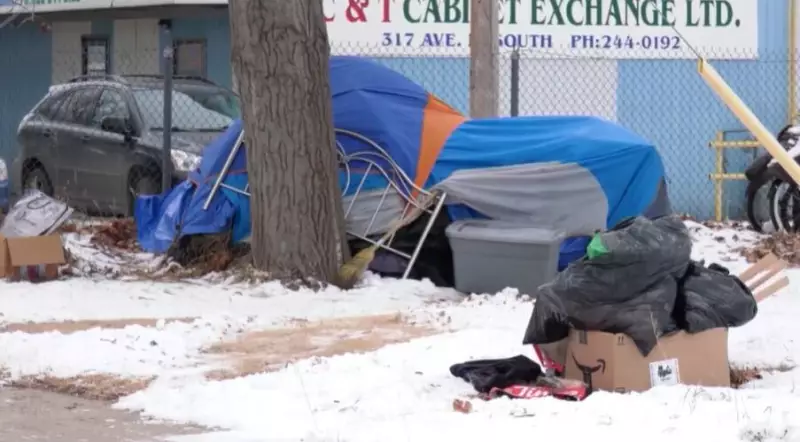
A record-breaking point-in-time homeless count in Saskatoon has revealed a community support system pushed to its limits, according to the executive director of Prairie Harm Reduction. The stark numbers confirm what frontline workers have long reported: services are critically overextended.
Unprecedented Numbers Reveal Deepening Crisis
The latest count, conducted in 2025, documented the highest number of people experiencing homelessness in the city's history. While the specific figure was not released in the initial report, officials from Prairie Harm Reduction emphasized that the tally shattered previous records. This data provides a quantitative snapshot of a human crisis that has been intensifying across the prairie city.
Jason Mercredi, the executive director of Prairie Harm Reduction, stated that the findings are not a surprise to those working on the ground. He explained that the daily reality for his organization and others involves turning people away or providing inadequate support due to a sheer lack of resources and capacity. The count, he argues, finally provides the hard evidence to back up these anecdotal experiences.

Frontline Services Stretched Beyond Capacity
The term 'overextended' used by Mercredi encapsulates a system under severe strain. Shelters are consistently operating at or over capacity, harm reduction supplies are in constant demand, and housing support workers are managing caseloads far beyond recommended levels. This strain reduces the effectiveness of interventions and leaves vulnerable individuals without the safety net they desperately need.
Community organizations like Prairie Harm Reduction, which provides essential services including a supervised consumption site, are often the first point of contact for many unsheltered individuals. The record count indicates that the flow of people needing help has increased, while funding and systemic support have failed to keep pace with the growing need.
A Call for Systemic Response and Investment
The release of the homeless count data is expected to serve as a catalyst for renewed calls to action. Advocates are urging all levels of government—municipal, provincial, and federal—to treat the numbers as a clear indicator that current strategies are insufficient. A coordinated response involving increased investment in affordable housing, mental health and addiction services, and income support is seen as critical.
The situation in Saskatoon mirrors challenges faced by cities across Canada, where inflation, a housing shortage, and the ongoing aftermath of the pandemic have converged to deepen housing insecurity. The record count from December 2025 stands as a urgent marker, confirming that the community's capacity to help is being outstripped by the scale of the need.
Moving forward, community leaders hope this data will translate into tangible policy changes and resource allocation. The goal is to move from managing a crisis to implementing sustainable solutions that prevent homelessness before it starts and provide effective, dignified pathways out of it for those currently experiencing it.