Saskatchewan Shelters Offer Warmth and Meals Amid Extreme Winter Conditions
As temperatures across Saskatchewan plummet to dangerous lows, shelters and community centers are stepping up to provide critical relief for vulnerable populations facing the harsh winter elements. With extreme cold warnings becoming frequent, these facilities are transforming into essential havens offering warmth, nourishment, and safety.
From Cold Streets to Hot Plates: A Daily Lifeline
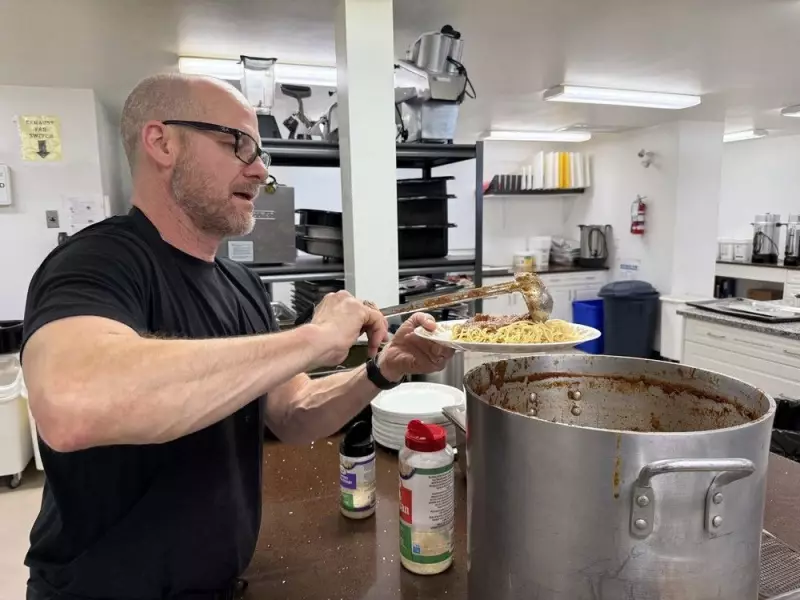
At The Bridge on 20th Fellowship Centre in Saskatoon, the contrast between the freezing outdoor conditions and the warm indoor environment is palpable. On a recent Tuesday afternoon, the center served hot plates of spaghetti to grateful individuals seeking refuge from the biting cold. Kitchen coordinator Kris Vanderlinde and his team prepare approximately 300 meals per day during weekdays, providing not just sustenance but also a moment of comfort and dignity.
Ryan Falk, director of operations at The Bridge, emphasizes the profound impact of their services. "There's definitely a gratefulness among those that come in for a place of rest and a place of safety," Falk observes. "We can see that there's a bit of relief when people come in. It's crucial for those in need to get proper support when it's no longer safe to be outside for extended periods of time."

While The Bridge doesn't operate as an official warming shelter, it has implemented additional measures to help people cope with the extreme temperatures. Falk notes that he hasn't had to turn anyone away despite increased demand, allowing people to wait in a sheltered area before opening and offering shower facilities to help them warm up.
Capacity Challenges During Extreme Cold Snaps
In Regina, the situation has become particularly challenging at the Nēwo-Yōtina Friendship Centre's 24-hour warming shelter. With temperatures reaching -40°C recently, the facility has been operating at full capacity, testing its 25-person limit.
Emile Garipey, harm reduction manager at the center, describes the difficult circumstances: "It has been extremely busy. It has been tough because we do have a 25 person capacity. But then you are seeing people outside freezing and you can't really turn them away."
Staff have been implementing creative solutions to accommodate more people, including rotating individuals who have been inside for extended periods with those waiting outdoors. The shelter, which opened on December 15, is experiencing one of its busiest stretches since inception.
Comprehensive Support Services
Both facilities offer more than just temporary relief from the cold. The Nēwo-Yōtina Friendship Centre operates a safe injection site daily from 9 a.m. to 4 p.m. and provides three meals each day. The Bridge on 20th serves breakfast Monday through Friday with slightly varying hours and offers lunch from noon to 2 p.m. on weekdays.
Garipey notes the emotional complexity of their work: "People have been grateful that we're open and I'm happy that we have cots and beds for them to lay on at night. It is a little bit more stressful when we reach capacity and we can't really fit more people in. That's when we start seeing a little bit of anger and resentment."
Future Expansion and Government Support
Looking ahead, both organizations are planning to expand their services. Falk mentions that The Bridge on 20th may establish a formal warming shelter in the future if they receive city approval. Meanwhile, the Nēwo-Yōtina Friendship Centre recently received an operating grant through the government's Provincial Approach to Homelessness (PATH) program to support their new Seven Fires Warming Shelter located at 1635 11th Avenue in Regina.
These developments come at a critical time, as Falk highlights the desperation many face: "There is desperation if you don't have a place to sleep at night in these extreme temperatures and in making sure that you have something like clothes or jackets to stay warm."
As Saskatchewan continues to grapple with severe winter conditions, these shelters represent more than just physical spaces—they embody community resilience and compassion, providing essential services that can mean the difference between survival and tragedy during extreme weather events.