

The Support Cliff: What Happens When Ontarians with Developmental Disabilities Turn 21?
In Kitchener and across Ontario, families caring for individuals with developmental disabilities are confronting a daunting reality: when their loved ones reach the age of 21, they often age out of critical government-funded support programs, entering an uncertain future with fragmented or insufficient adult services. This transition, frequently described as "falling off a cliff," leaves many vulnerable adults and their caregivers struggling to secure essential resources for housing, daily care, and community inclusion.
A System Under Strain
The current framework for developmental services in Ontario is marked by significant gaps. While children and youth may access specialized educational programs, therapies, and respite care, these supports typically diminish or disappear upon adulthood. According to advocates, the adult system is plagued by long waitlists for residential placements, limited funding for personal support workers, and inadequate programs for social and vocational development. This systemic shortfall forces families to shoulder immense financial and emotional burdens, often compromising their own well-being and retirement security.
Voices from the Community
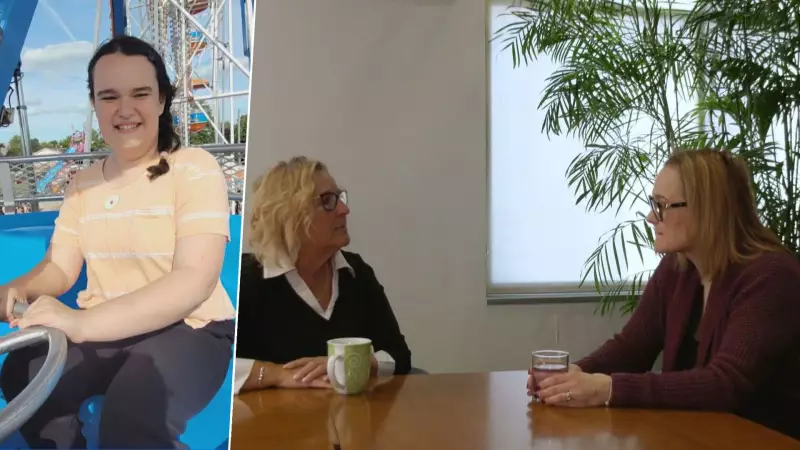
Local families in Waterloo Region have shared harrowing accounts of navigating this transition. Parents describe scrambling to piece together care plans, facing bureaucratic hurdles, and witnessing their adult children's regression due to lack of structured activities. Community organizations, such as those providing day programs or supported living, report being overwhelmed by demand, with resources stretched thin. The situation underscores a pressing need for a more cohesive, lifelong approach to disability support that prioritizes continuity and dignity.

Calls for Policy Reform
Disability rights groups and policy experts are urging the provincial government to address these deficiencies through comprehensive reforms. Key recommendations include:
- Enhanced Funding: Increasing investments in adult developmental services to reduce waitlists and expand program availability.
- Seamless Transitions: Implementing better planning protocols that begin years before a youth turns 21, ensuring no gap in support.
- Housing Solutions: Developing more affordable, accessible housing options with integrated support services.
- Community Integration: Fostering inclusive employment opportunities and social programs to combat isolation.
Advocates emphasize that without such changes, Ontario risks failing some of its most vulnerable citizens, perpetuating cycles of dependency and inequity. As the population ages and the number of adults with developmental disabilities grows, the urgency for action becomes ever more critical.
Looking Ahead
The challenge extends beyond Kitchener, reflecting a nationwide issue in disability support systems. However, local initiatives, such as pilot projects for coordinated care and community-based partnerships, offer glimmers of hope. By amplifying these voices and pushing for systemic overhaul, stakeholders aim to build a future where individuals with developmental disabilities can thrive throughout their adult lives, supported by a robust and compassionate framework.






