A stark new report has sounded the alarm on a growing humanitarian crisis in Ontario, revealing that the province's food banks are being pushed to their absolute limits under the crushing weight of escalating poverty.
A System Under Unprecedented Strain
The findings, released on December 1, 2025, paint a dire picture of a social safety net that is fraying. Food banks across Ontario, long considered a critical stopgap for individuals and families facing hardship, are now struggling to keep their shelves stocked as the number of people needing assistance skyrockets. The report indicates that demand has surged to levels that the current charitable model cannot sustainably support.
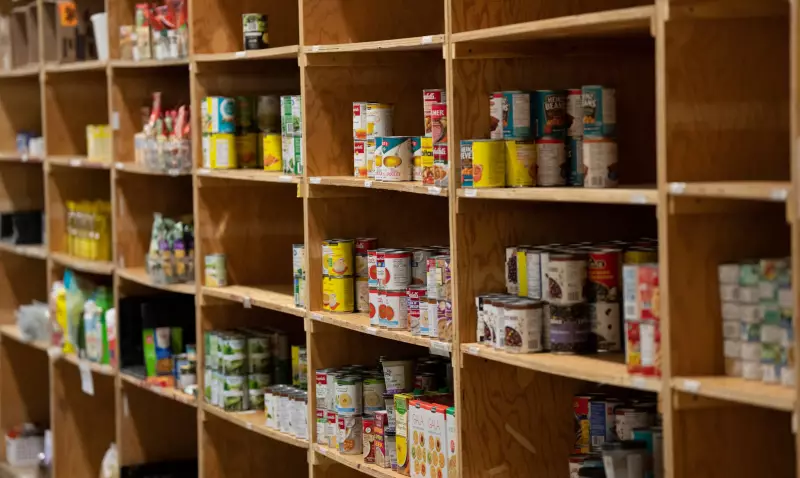
This crisis is not confined to one region but is being felt in urban centres and rural communities alike. The image of canned goods on sparse shelves, as documented in a file photo from an Ottawa food bank in October 2022, has become an increasingly common and troubling reality. The fundamental mission of these organizations—to provide emergency food relief—is being compromised by a perfect storm of economic pressures.

The Drivers of the Crisis
The report directly links the overwhelming demand at food banks to a significant rise in poverty across the province. Key factors contributing to this increase include the soaring cost of living, persistently high housing costs, and economic instability that has left many Ontarians struggling to afford basic necessities. For a growing segment of the population, the choice between paying rent, utilities, or buying groceries has become an impossible calculation, forcing them to seek help for the first time.
The clientele of food banks is also evolving, now including more working individuals and families whose incomes simply do not stretch far enough to cover all essential expenses. This shift underscores that food insecurity is increasingly a problem of inadequate wages and unaffordable living costs, not just unemployment.
Broader Implications and the Call for Action
The breaking point of the food bank system signals a deeper societal failure. Reliance on charitable food distribution was never intended to be a permanent or large-scale solution to poverty. The report suggests that the immense strain on these volunteer-driven organizations highlights an urgent need for systemic solutions and stronger government intervention.
Experts warn that without significant policy changes aimed at tackling the root causes of poverty—such as increasing social assistance rates, investing in affordable housing, and supporting living wages—the situation will continue to deteriorate. The consequences extend beyond empty stomachs, impacting physical health, mental well-being, and children's development.
The report serves as a critical call to action for all levels of government. It emphasizes that while the dedication of food bank staff and volunteers is heroic, charity alone cannot solve a crisis of this magnitude. Sustainable, long-term strategies are required to ensure that all residents of Ontario have reliable access to food and a pathway out of poverty.