British Columbia Announces Major Changes to Disability Support System for Children
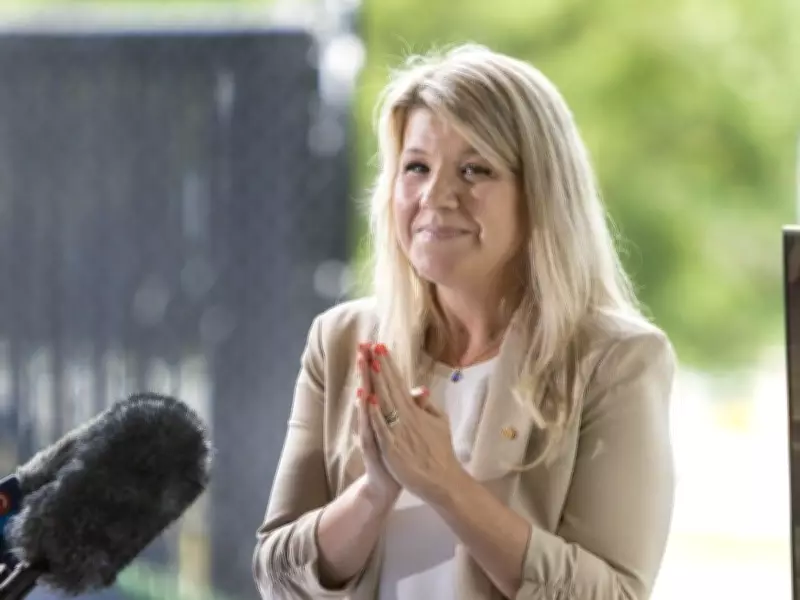
The British Columbia government has unveiled a comprehensive overhaul of its disability support programs for children, introducing direct provincial funding for children with Down syndrome for the first time while simultaneously enhancing supports for those with complex needs. The announcement, made by Children and Family Development Minister Jodie Wickens, represents a significant shift in how the province approaches developmental disability assistance.
New Funding Structure and Eligibility Criteria
Under the current system, only children with autism receive direct funding to purchase services, with no adjustments made for the complexity of their needs or family income levels. Children with other developmental disabilities, including Down syndrome, have been limited to support through the "At Home" program, which provides services and equipment rather than direct financial assistance.
The new model introduces a tiered disability benefit specifically designed for children with the most complex needs. This includes those with Down syndrome or autism combined with an intellectual disability. Eligible families will receive either $6,500 or $17,000 annually, depending on their child's specific support requirements.

Income-Based Supplement and Potential Gaps
A separate disability supplement will be available for low-income families raising children with support needs. This supplement operates on a sliding scale based on household income and the child's needs level, with a maximum annual amount of $6,000. However, families earning over $50,000 in after-tax income will see their funding reduced, and households with incomes exceeding $200,000 after taxes will be completely ineligible for the supplement.
Minister Wickens acknowledged that the changes will leave some children without support, with estimates suggesting up to 5,200 children could lose all funding under the new system. Despite this, she argued that more children overall will benefit from the revised approach.
Program Implementation and Funding Allocation
The province has committed $475 million over three years to implement the new programs. Rollout will occur gradually over the next year, with full implementation of both the benefit and supplement expected by July 2027. The current autism funding model will remain in place until March 2027 to ensure a smooth transition.
Of the total funding allocation, $80 million has been designated to expand community-based supports. These services will be available to children who may not qualify for either the disability benefit or the income-based supplement, providing an alternative support mechanism.
Background and Government Response
The changes come as a response to significant public criticism the government faced in 2022 when it attempted to replace the current direct funding model with a hub-based system. That previous proposal would have established 40 "family connection centres" providing direct supports like physiotherapy and occupational therapy, rather than financial assistance to families.
According to government statistics, approximately 28,000 children currently receive support through autism direct funding programs and the At Home program. Under the new system, officials estimate that 12,000 to 15,000 families will be eligible for the disability benefit, while 33,000 families could qualify for the income-based supplement.
The announcement represents a significant policy shift that aims to provide more targeted support while acknowledging that some families may face reduced assistance or complete loss of funding during the transition period.