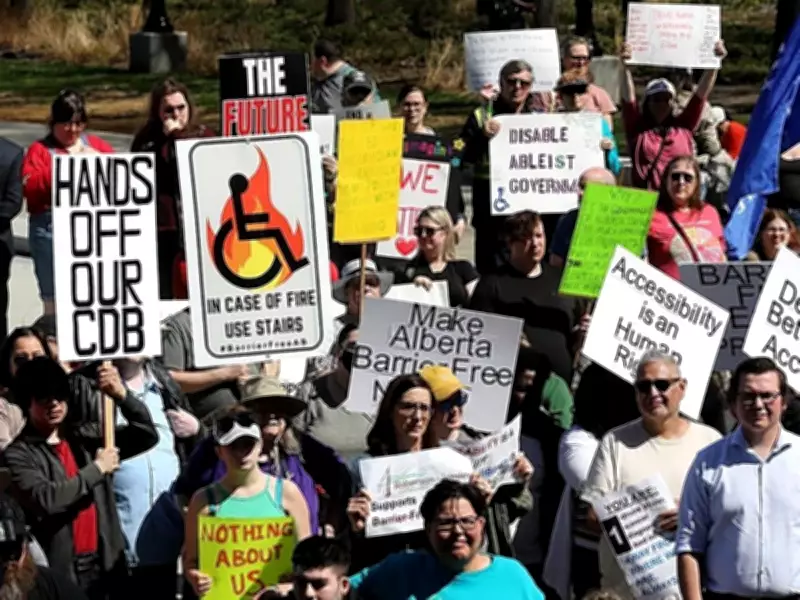
Alberta has long touted its unique approach to governance, but when it comes to supporting individuals with disabilities, a new policy shift is being labeled not just different, but regressive by medical professionals and advocates. In an opinion piece, Drs. Sarah Bates, Karen Duncalf, Stephen Hung, and Martin Vetter from Calgary highlight concerns over recent changes that they say undermine federal aid and impose burdensome processes on vulnerable residents.
Federal Benefit Clawback Sparks Outrage
In June 2025, the federal government introduced the Canada Disability Benefit (CDB), providing $200 per month to Canadians with disabilities. While modest, this amount was intended to offer crucial financial relief for many struggling below the poverty line. However, Alberta quickly announced it would deduct this federal support from payments under the Assured Income for the Severely Handicapped (AISH) program, which caps at $1,940 monthly. As a result, AISH recipients in Alberta see no net increase from the CDB, making the province the only jurisdiction in Canada to implement such a clawback.
Complex Application Process Overwhelms System
The process to access the CDB requires approval for the Disability Tax Credit (DTC), necessitating certification by a medical practitioner. Last July, Alberta imposed a tight deadline, giving AISH recipients only until September 5 to begin applications and notify the AISH office or face a $200 monthly reduction in benefits. This rushed timeline overwhelmed physicians with paperwork requests and left many patients frustrated and confused, navigating a complex system for a benefit they ultimately would not receive. Reports indicate that some individuals not even receiving the CDB have faced clawbacks, adding to the distress.

Poverty Line Concerns Persist
Despite Alberta offering one of the highest disability benefits among provinces, monthly payments still fall significantly below the poverty line. For instance, an individual earning minimum wage in Alberta at $15 per hour could make $31,200 annually. In contrast, those relying on AISH receive approximately $20,880 per year after the CDB clawback, highlighting a stark income disparity that exacerbates financial hardship for people with disabilities.
New Legislation Worsens Support Landscape
With the passage of Bill 12 on December 9, 2025, the situation is set to deteriorate further. Starting in July 2026, Alberta plans to migrate AISH recipients to the Alberta Disability Assistance Program (ADAP). Those permanently unable to work, including individuals with severe disabilities, those eligible for Persons with Developmental Disabilities (PDD) services, and recipients of continuing or end-of-life care, must undergo medical reassessment to return to AISH. The government will cover only one assessment per person, and decisions by the arm's-length AISH Medical Review Panel to deny eligibility are not subject to appeal, as outlined in the Transforming Disability Income Assistance in Alberta Discussion Guide.
This regressive approach has sparked rallies, such as the Act NOW Rally in Edmonton on May 6, 2025, where disability advocates called for urgent action on accessibility legislation and income support reform. Critics argue that these policies not only fail to provide meaningful consultation with the disability community but also push vulnerable Albertans deeper into poverty, contradicting the province's pride in innovative governance.